MODA Actively Promotes Taiwan-Matsu No. 4 Subsea Cable and Microwave Station Construction in Four Matsu Townships to Strengthen Outlying Island Communication Resilience
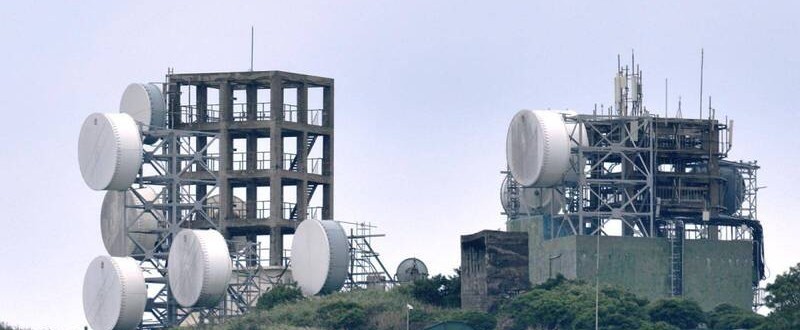
The Ministry of Digital Affairs (MODA) stated that, the Taiwan-Matsu No. 4 subsea cable and the microwave communication systems between Dongyin, Beigan, Nangan and Juguang Townships of Matsu built by Chunghwa Telecom using the Forward-Looking Infrastructure Development Program budget will be completed soon. They will join the ranks of strengthening the communication resilience of outlying islands in the near future. Furthermore, the new infrastructure will assist telecommunications operators in improving mobile communications for the New Taima Ferry on its routes between Matsu and other outlying islands, providing convenient network services for residents, crew members and passengers.
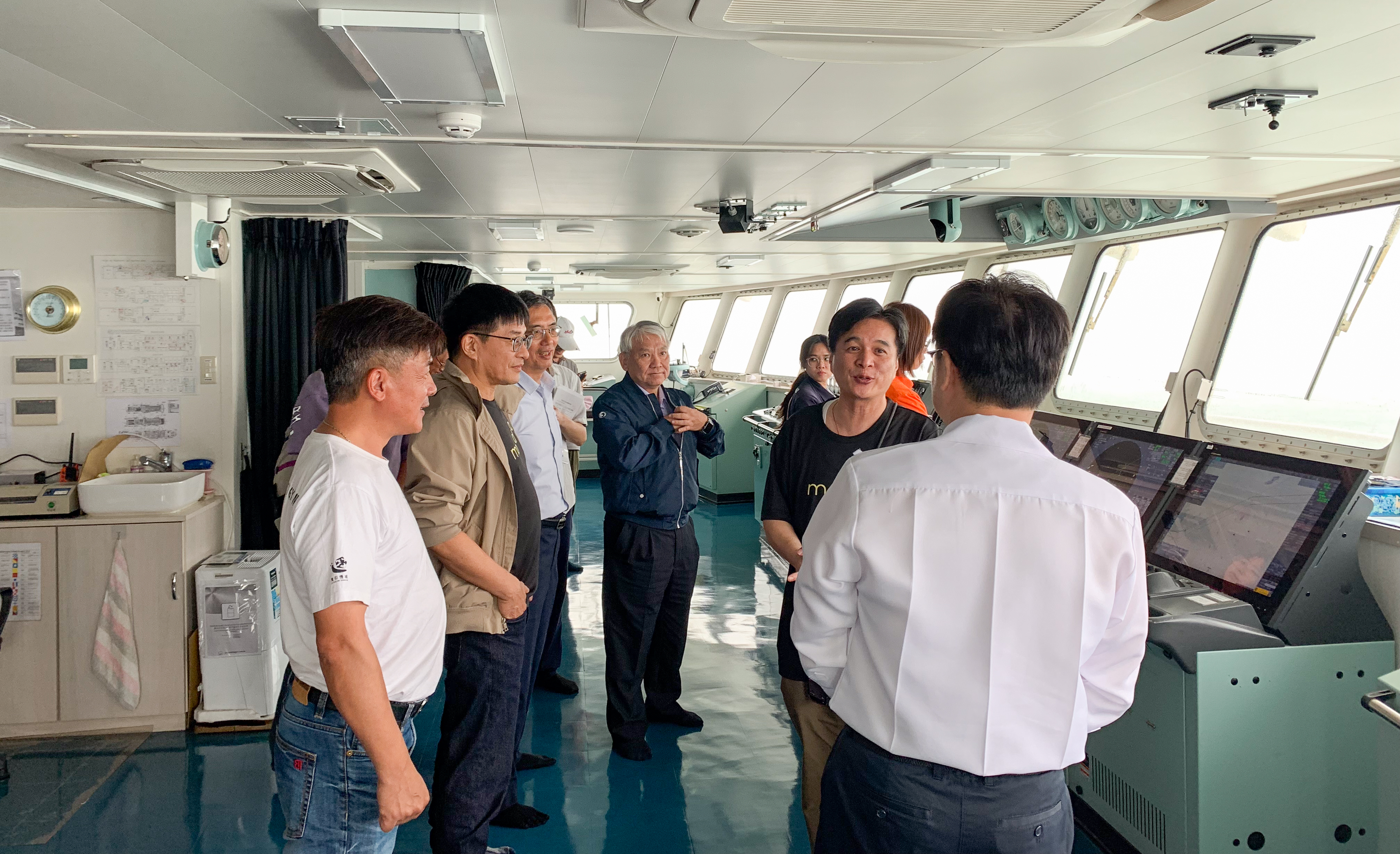
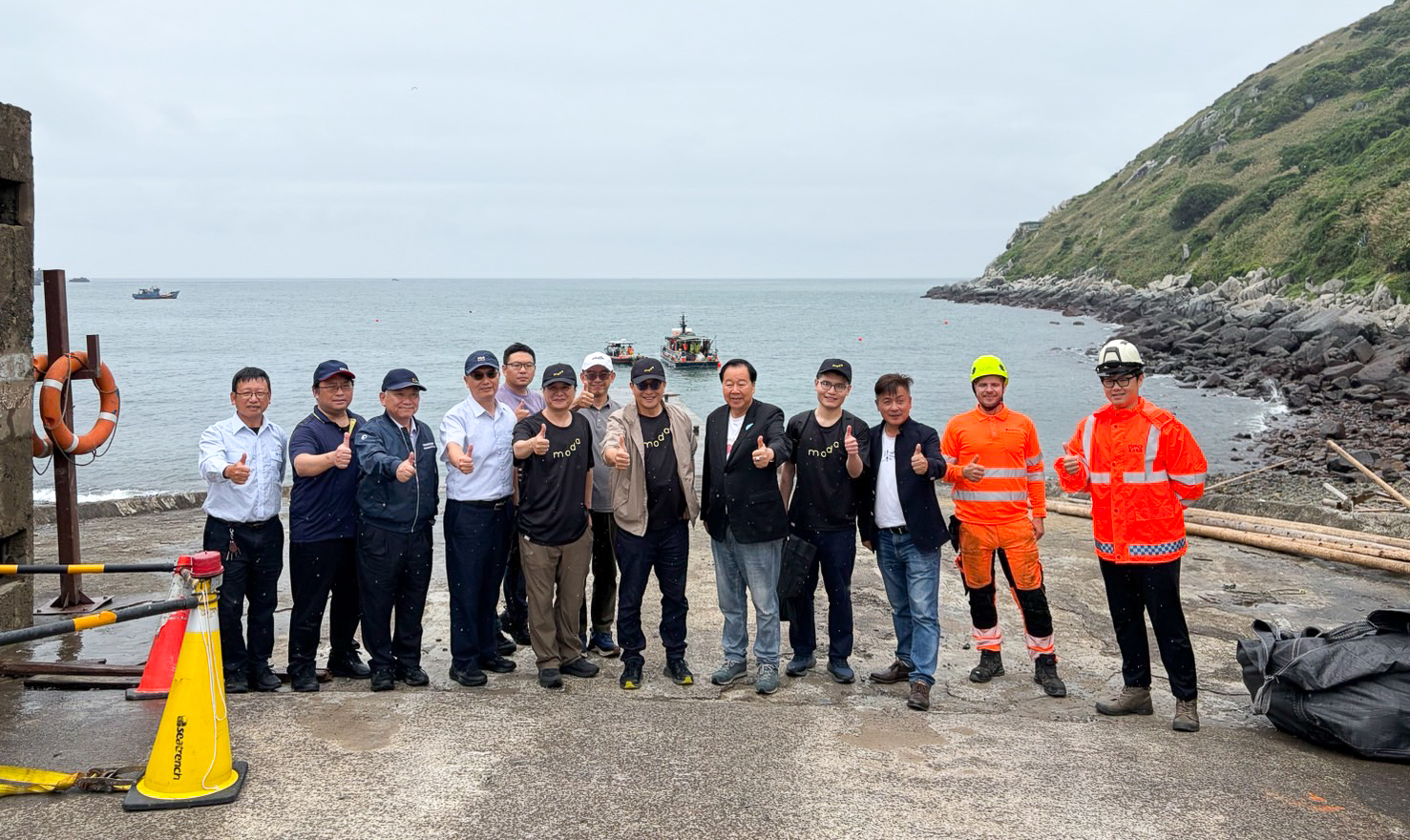
MODA said that Deputy Minister Yeh Ning, along with Lienchiang County Council Speaker Chang Yung-chiang, Dongyin Township Mayor Lin Te-chien, and representatives of the Coast Guard Administration, Ocean Affairs Council, visited Dongyin and Nangan Townships in Matsu from June 16 to 17 this year (2026) to inspect Chunghwa Telecom's construction of the Taiwan-Matsu No. 4 subsea cable and microwave systems in Matsu, as well as the improvement of mobile communication on the New Taima Ferry.
MODA explained that although the Taiwan-Matsu No. 4 subsea cable project was affected by the Middle East conflict for which shipments of raw materials were slightly delayed, it is expected to be completed soon thanks to the continued efforts of Chunghwa Telecom. After the Taiwan-Matsu No. 4 subsea cable is put into operation, there will be three subsea cables between Taiwan and Matsu. Furthermore, each of the townships of Beigan, Nangan, Dongyin, and Juguang will have at least two microwave systems that can connect to the outside world, effectively strengthening their communication resilience.
During his trip, Deputy Minister Yeh also personally thanked Chunghwa Telecom and the Coast Guard Administration for their efforts in ensuring the stability of the communication network in the Matsu area and assisting in the protection of subsea cables. When the Taiwan-Matsu No. 2 and No. 3 subsea cables experienced simultaneous disruptions in the Dongyin area, the Coast Guard Administration and Chunghwa Telecom immediately activated backup and actively coordinated with cable ships to expedite cable repairs in less time than usual, ensuring stable communication in the Dongyin area.
In addition, after MODA assisted telecommunications operators in improving the communication quality of the New Taima Ferry, there is now a stable mobile communication signal on the sailing route between the outlying islands of Matsu. Deputy Minister Yeh traveled from Nangan Township to Dongyin Township on the New Taima Ferry to test mobile communication during cross-island travel, and was able to watch streaming videos buffer-free. Regarding the crew's complaints about latency issues, it was found that they were caused by bandwidth limitation of the ship's geostationary satellite, which could be resolved or significantly improved through mobile communication networks. This year, MODA also plans to subsidize telecommunications operators to extend the reach of mobile communication services to the shipping routes between Taiwan and Matsu, so that residents and tourists alike can enjoy the services during their travels.
MODA pointed out that in the digital age, mobile communications have become inseparable from people's lives. In order to improve communication infrastructure in rural and outlying island areas, MODA provides incentives for telecommunications operators through subsidies or guidance measures such as the Forward-Looking Infrastructure Development Program budget, urging the three major telecommunications operators, namely Chunghwa Telecom, Far EasTone, and Taiwan Mobile, to accelerate and increase construction to strengthen mobile communications coverage and network resilience.
MODA will continue to encourage telecommunications operators to set up diverse and heterogeneous backup systems, such as subsea cables and microwave systems at critical nodes, through policy subsidies and public-private partnerships, upholding the principle of redundancy upon redundancy. It will also fully enhance the resilience of the communications networks in outlying islands by subsidizing telecommunications operators to set up and improve subsea cable early warning systems, accelerating subsea cable repair mechanisms, and promoting inter-ministerial collaboration.