MODA Announces Final Results of the “Disaster Preparedness Building Blocks Innovation Challenge,” Co-Creating Digital Resilience for Disaster Preparedness through Civic Participation
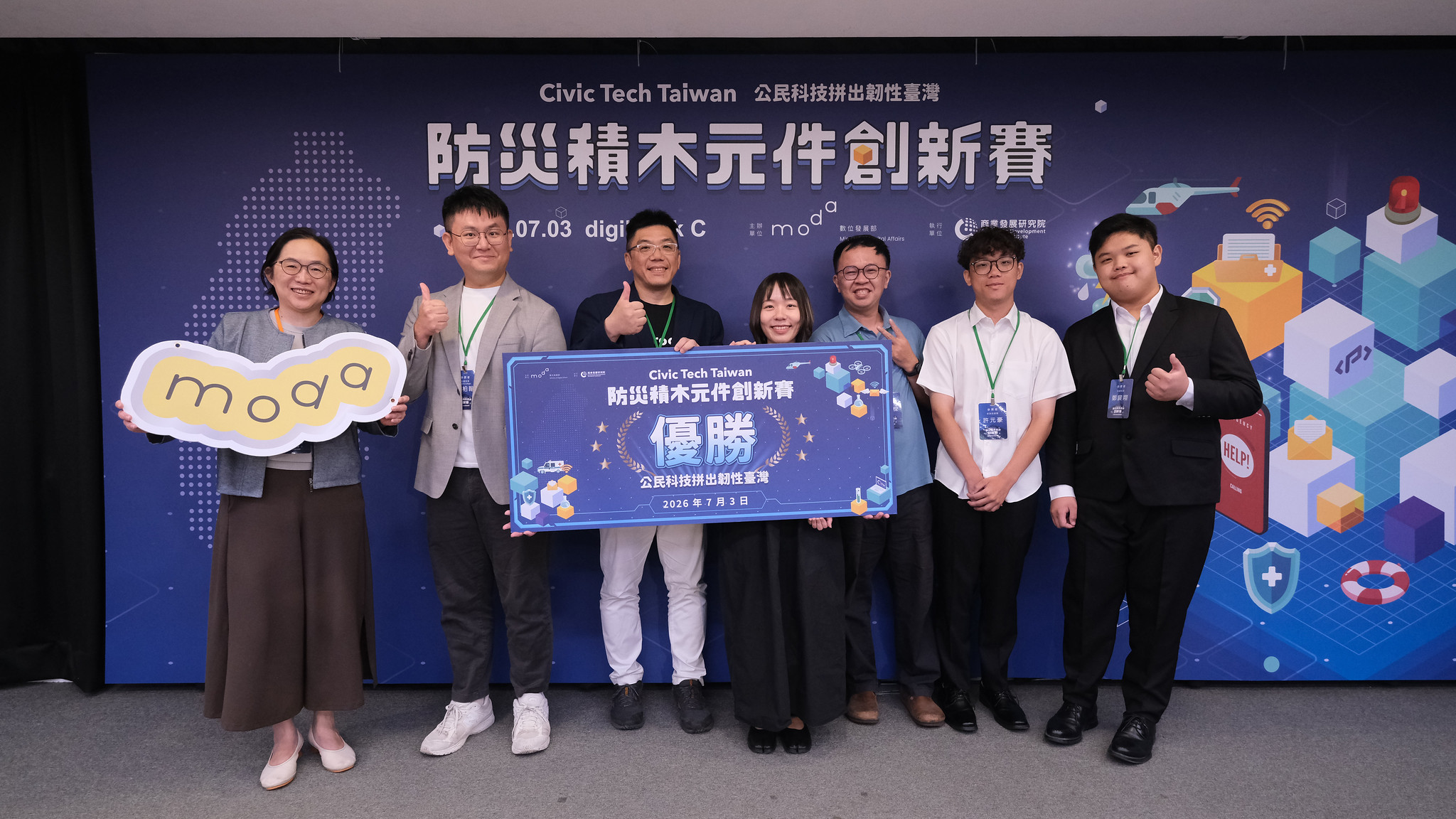
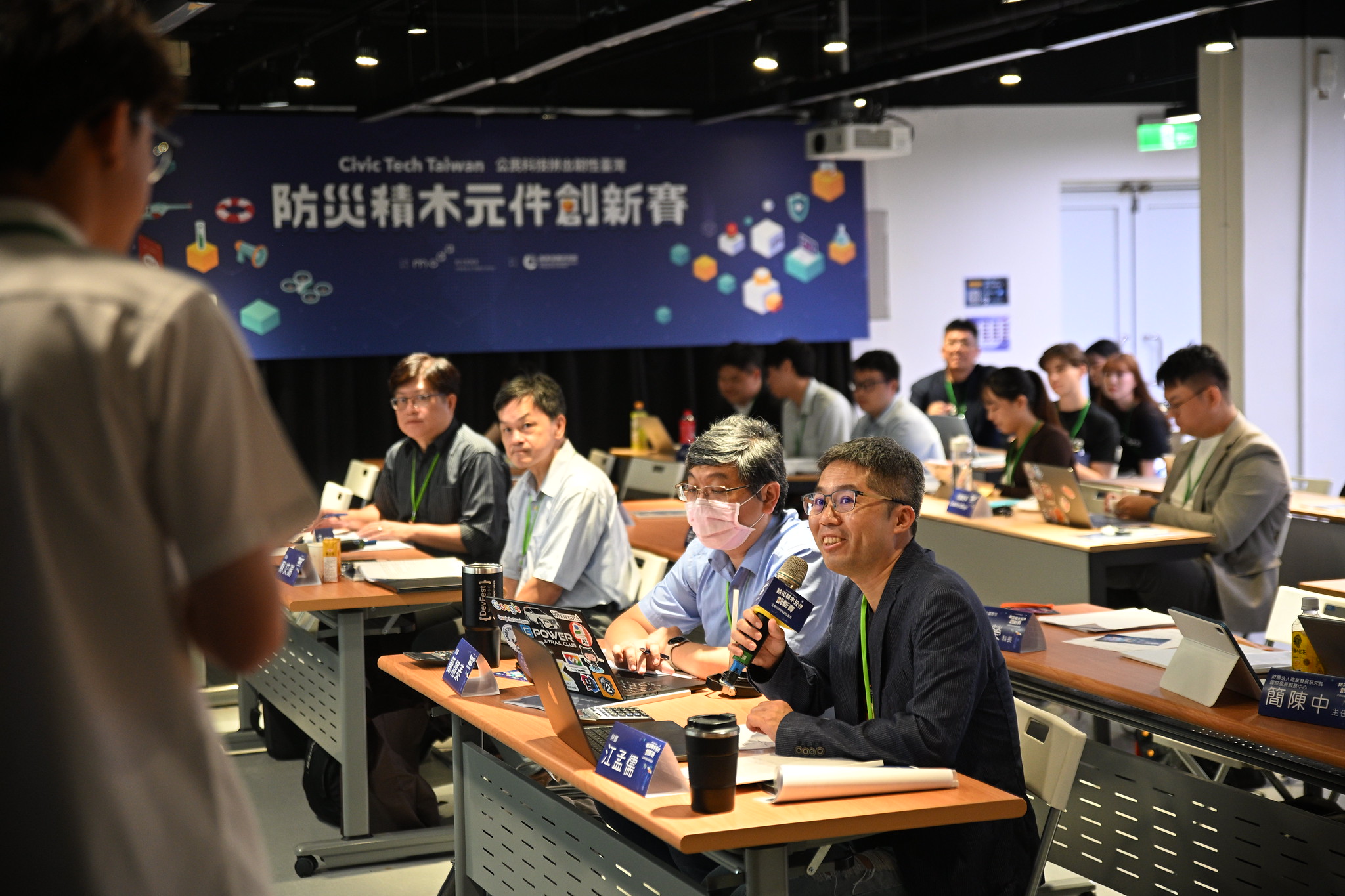
As typhoon season approaches, extreme weather and compound disasters are expected to bring greater challenges to disaster preparedness efforts. The Ministry of Digital Affairs (MODA) organized the “Disaster Preparedness Building Blocks Innovation Challenge: Civic Tech for a Resilient Taiwan,” calling on members of the public to form teams and participate as a first step toward promoting civic technology engagement in the development of digital disaster preparedness tools. Since the challenge opened for submissions in April, it has received an enthusiastic response from various sectors. Following expert mentoring, project refinement, and evaluation by professional judges from diverse fields, six teams have stood out, demonstrating the innovative energy created by the integration of civic technology and artificial intelligence in disaster governance. Their work also helps accumulate practical experience and innovation capacity for future civic technology applications in disaster preparedness.
MODA stated that the selected projects cover a wide range of disaster preparedness scenarios, including disaster reporting, risk analysis, resource coordination, integrated evacuation services, and rescue knowledge applications. Together, they demonstrate the development direction of digital disaster preparedness tools as they move from single-function development toward modular, reusable, and expandable applications.
Among the selected teams, “Low-Entropy Core” (低熵核心) developed a component for standardizing disaster reporting data and conducting hotspot analysis, improving the efficiency of disaster information integration. Resilient Urban Lab integrated open geospatial data and spatial analysis to help quickly identify potential risk areas, such as narrow alleys. “CodeWorldBagel ”(扣握貝果) consolidated cross-ministerial disaster preparedness data to support AI-based disaster analysis and decision-making assistance. “You’re Always Right” (你說的都隊) used AI Agents to rapidly establish a rescue information portal, accelerating information integration and cross-agency collaboration in the early stages of disasters, fully demonstrating the diverse potential of technology-enabled public governance and civic technology community participation in disaster response. “ZhiYu Tech ” (知嶼科技) applied data analysis and smart application technologies to propose a digital component solution supporting disaster management and decision-making, helping strengthen situational awareness and resource coordination. “Brocere Blockcraft: Resilient Blocks Disaster Prevention Team ” (博誠魔塊:韌性積木災防隊) combined satellite communications, AI, and Internet of Things technologies to enhance communications resilience under extreme disaster scenarios.
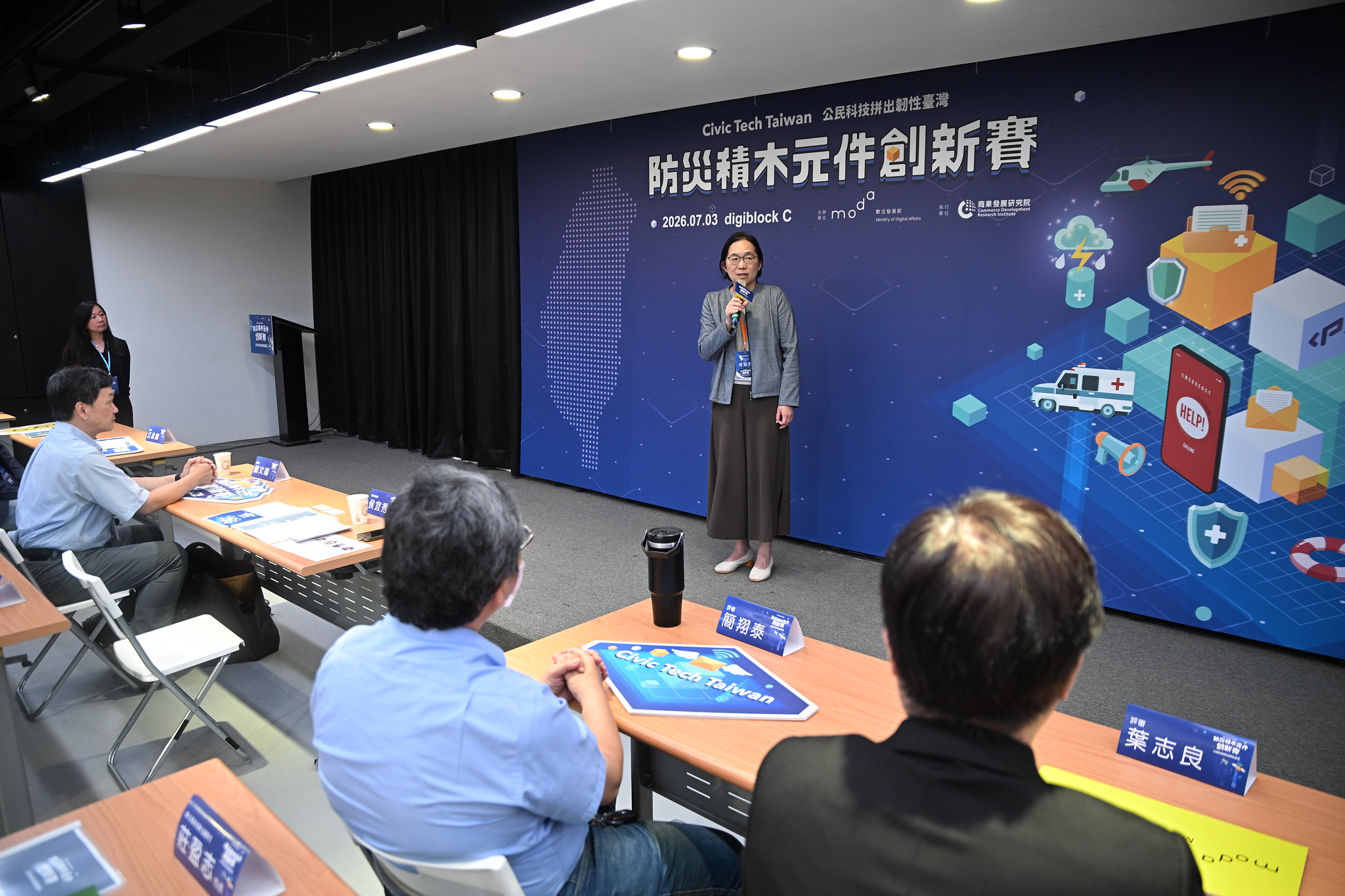
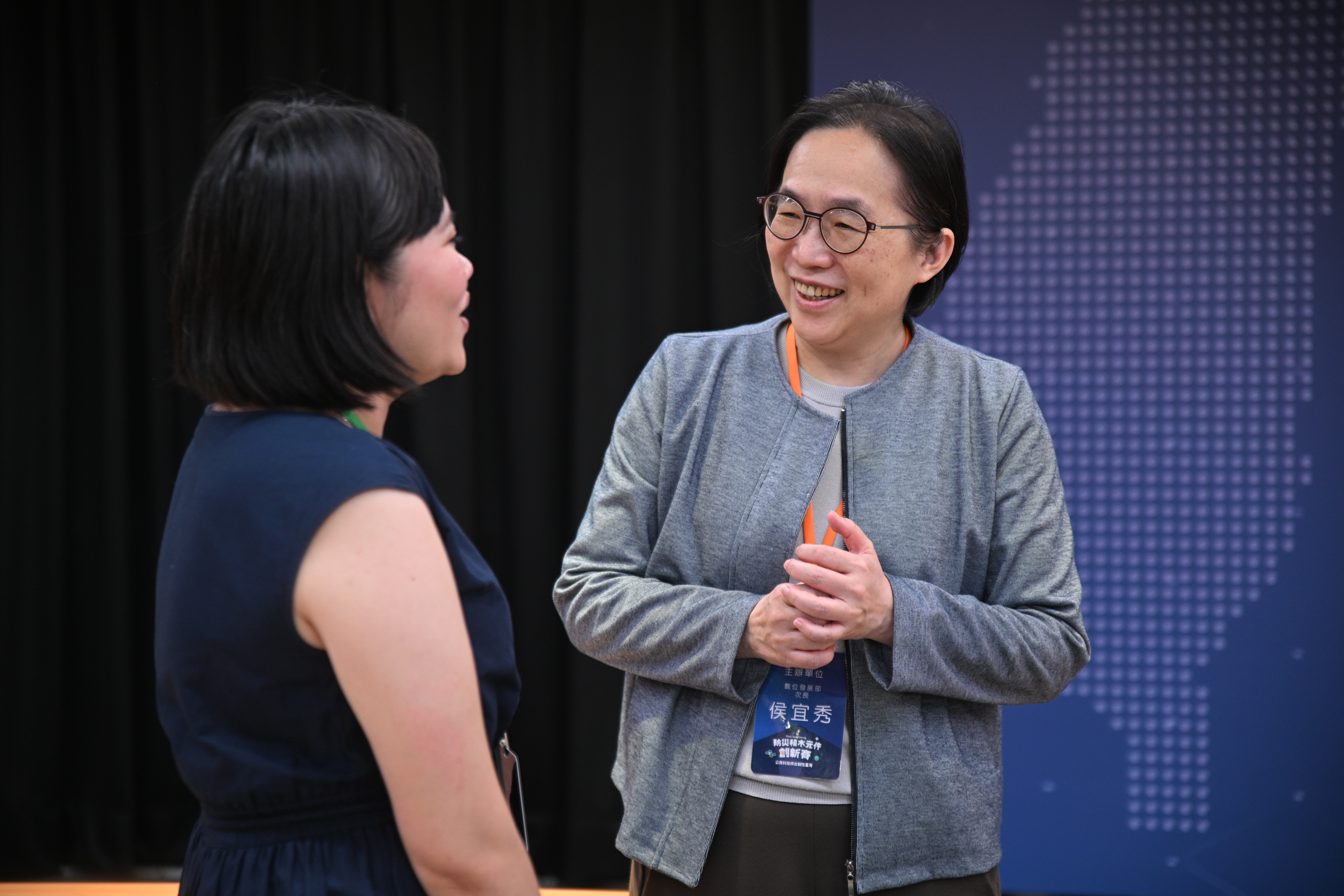
MODA Deputy Minister Isabel Hou stated that disaster preparedness relies on public-private collaboration. The greatest significance of this challenge lies in enabling technical communities, local citizens, and the government to jointly define problems and propose solutions. Through public-private collaboration, trust and mutual understanding can be built, which is the core value of civic technology. Deputy Minister Hou further noted that after the flooding disaster in Guangfu Township, Hualien County last year, many citizens from different backgrounds and professional fields voluntarily joined disaster relief efforts, demonstrating the strong collaborative capacity of Taiwanese society. This also prompted MODA to consider how concepts such as public-private collaboration, cross-sector cooperation, open-source sharing, and artificial intelligence could be applied to disaster preparedness. The challenge encouraged teams to adopt agile development approaches in response to the rapidly changing nature of disaster scenarios. In the future, outstanding projects will also release their source code in line with the open-source spirit and be gradually incorporated into the common disaster preparedness component library, continuously accumulating as a public asset shared by all and jointly enhancing Taiwan’s disaster resilience.
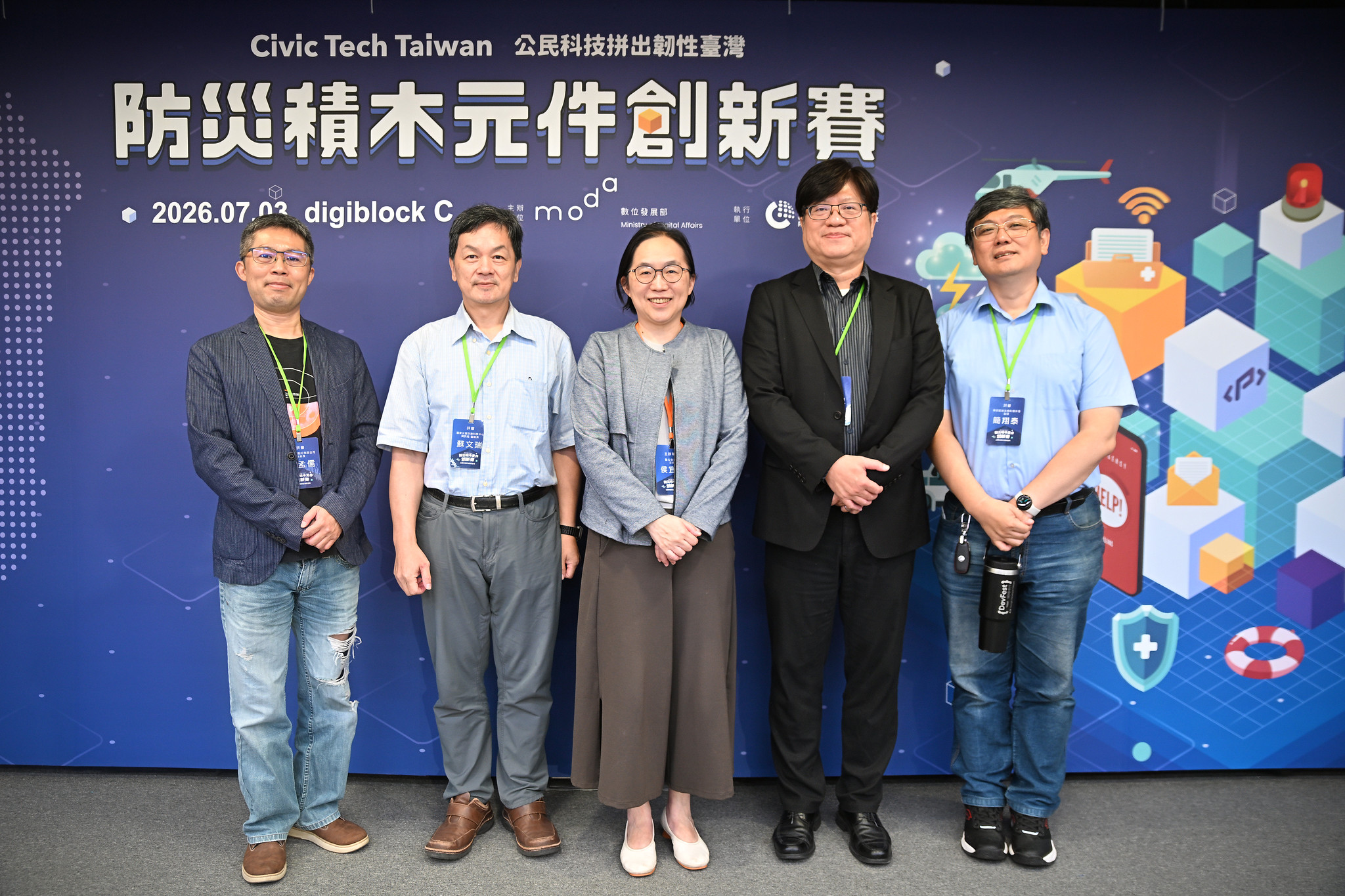
Dr. Wen-Rui Su of the National Science and Technology Center for Disaster Reduction, speaking on behalf of the judges, stated that the participating projects generally demonstrated a precise understanding of disaster preparedness issues and innovative thinking, and that completing concrete outcomes within such a short period was no easy task. Many teams have already introduced AI technologies into disaster preparedness applications, showing the development potential of technology-assisted disaster preparedness. In the future, if cross-sector collaboration can be further deepened while also taking into account the accuracy and verification mechanisms of AI applications, these efforts will help enhance the practical value of disaster preparedness technologies.
MODA stated that this challenge breaks away from the traditional framework of single-system development and instead centers on the concept of “building-block disaster preparedness components.” It invited civic technology communities, technical developers, and frontline practitioners to propose innovative solutions across four major areas: disaster reporting, information analysis, resource matching, and decision-making support. Through open collaboration and modular design, digital disaster preparedness tools can be freely disassembled, recombined, and continuously expanded like building blocks, significantly reducing development costs while greatly increasing the flexibility of disaster response.
MODA emphasized that the challenge is an important starting point for advancing digital governance in disaster preparedness. In the future, selected projects will be evaluated for inclusion in the “common disaster preparedness component library,” which will be fully opened for subsequent use and continued expansion by local governments and private-sector teams, becoming a digital public asset shared by all. MODA will continue to catalyze technology, deepening cross-sector collaboration among government, industry, academia, and civic communities, gradually accumulating Taiwan’s disaster preparedness technology capacity and building a technological line of defense to protect our homeland through digital resilience.