From AI to Cybersecurity: MODA Minister Lin Yi-jing Leads Delegation to Washington, D.C., to Deepen Taiwan-U.S. Digital Resilience Cooperation
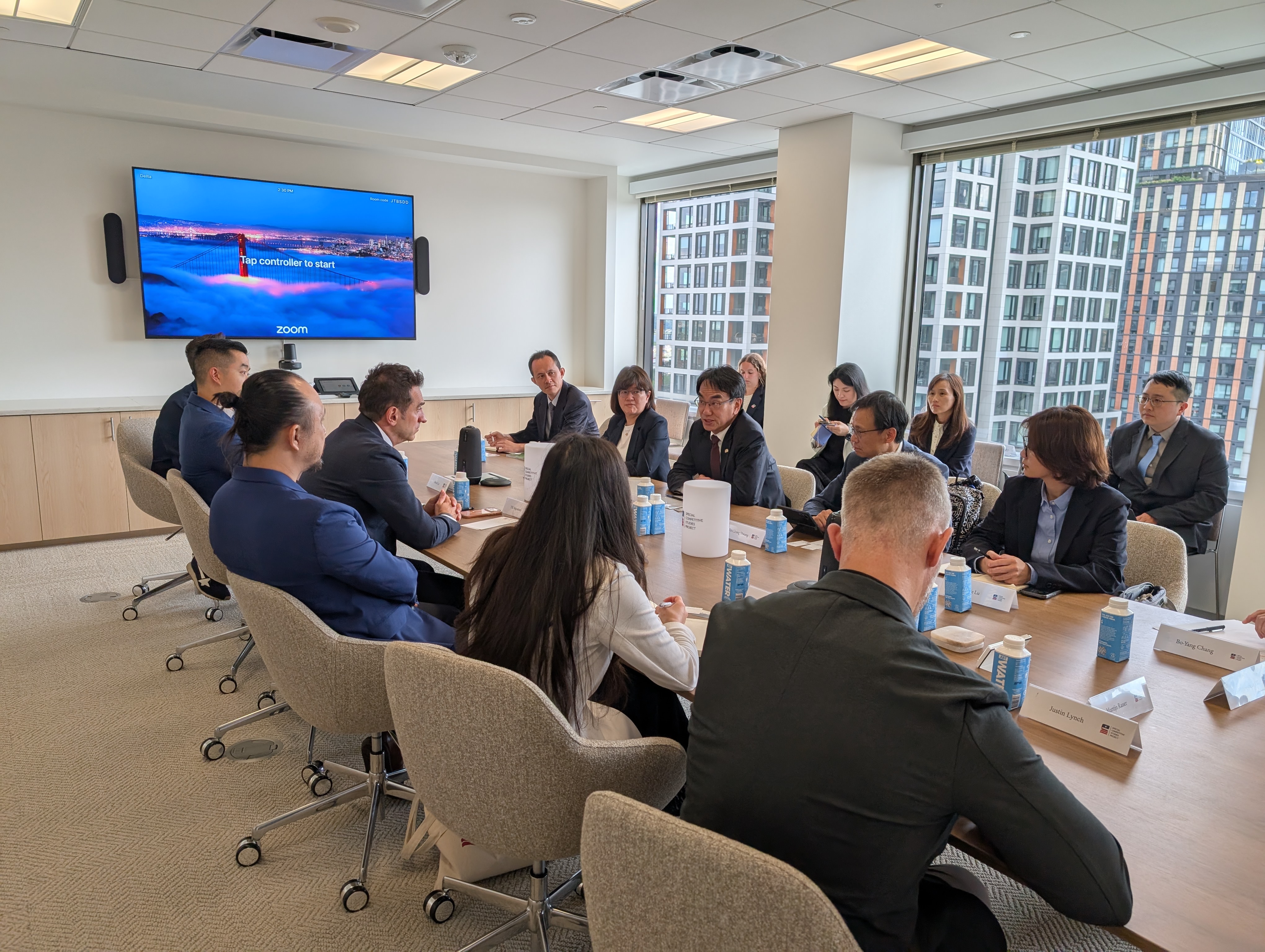
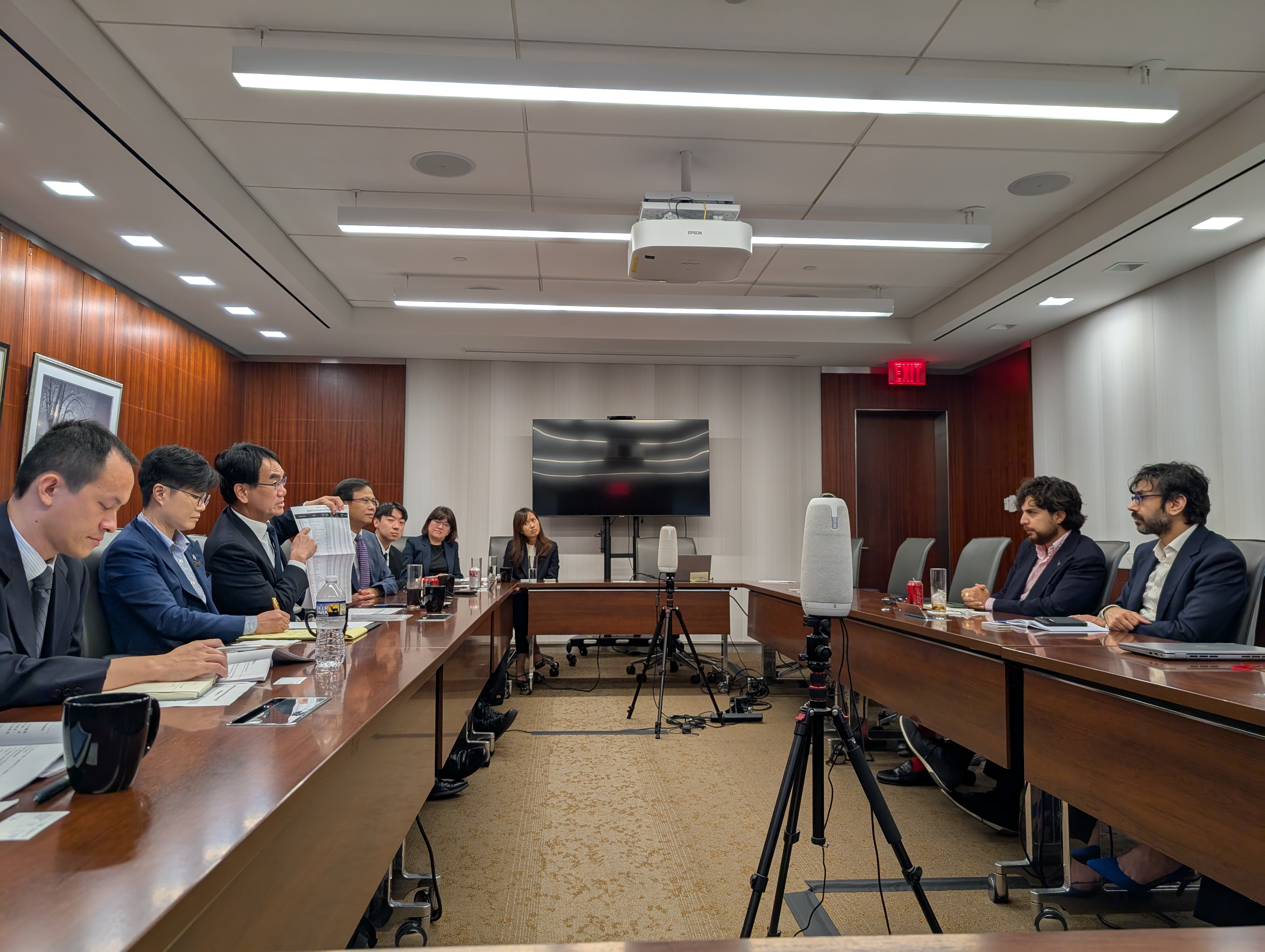
Driven by the rapid advance of artificial intelligence (AI), escalating global technological competition, and the convergence of cyberattacks with geopolitical risks, digital technology has transcended industry bounds, becoming central to national security, social resilience, and international competitiveness. Minister of Digital Affairs Lin Yi-jing recently led a delegation to Washington, D.C., to exchange ideas with U.S. government departments, key think tanks, and international technology companies such as Meta, OpenAI, and Amazon. The delegation engaged in direct dialog with policymakers and frontline businesses on topics ranging from AI, cybersecurity, and digital governance to communications resilience, sharing Taiwan’s experience and gaining insights into the latest U.S. thinking on technology and security issues.
Minister Lin stated that Taiwan faces technological and security challenges remarkably similar to those of the United States and other democratic partners. Far from being just a provider of technology and products, Taiwan also possesses a wealth of first-hand practical experience to share with the international community. “In the face of rapid AI development and shifting global geopolitics, Taiwan cannot simply respond passively. Instead, it must actively engage in international cooperation, from policy and technology to industry, working with partners toward practical solutions.”
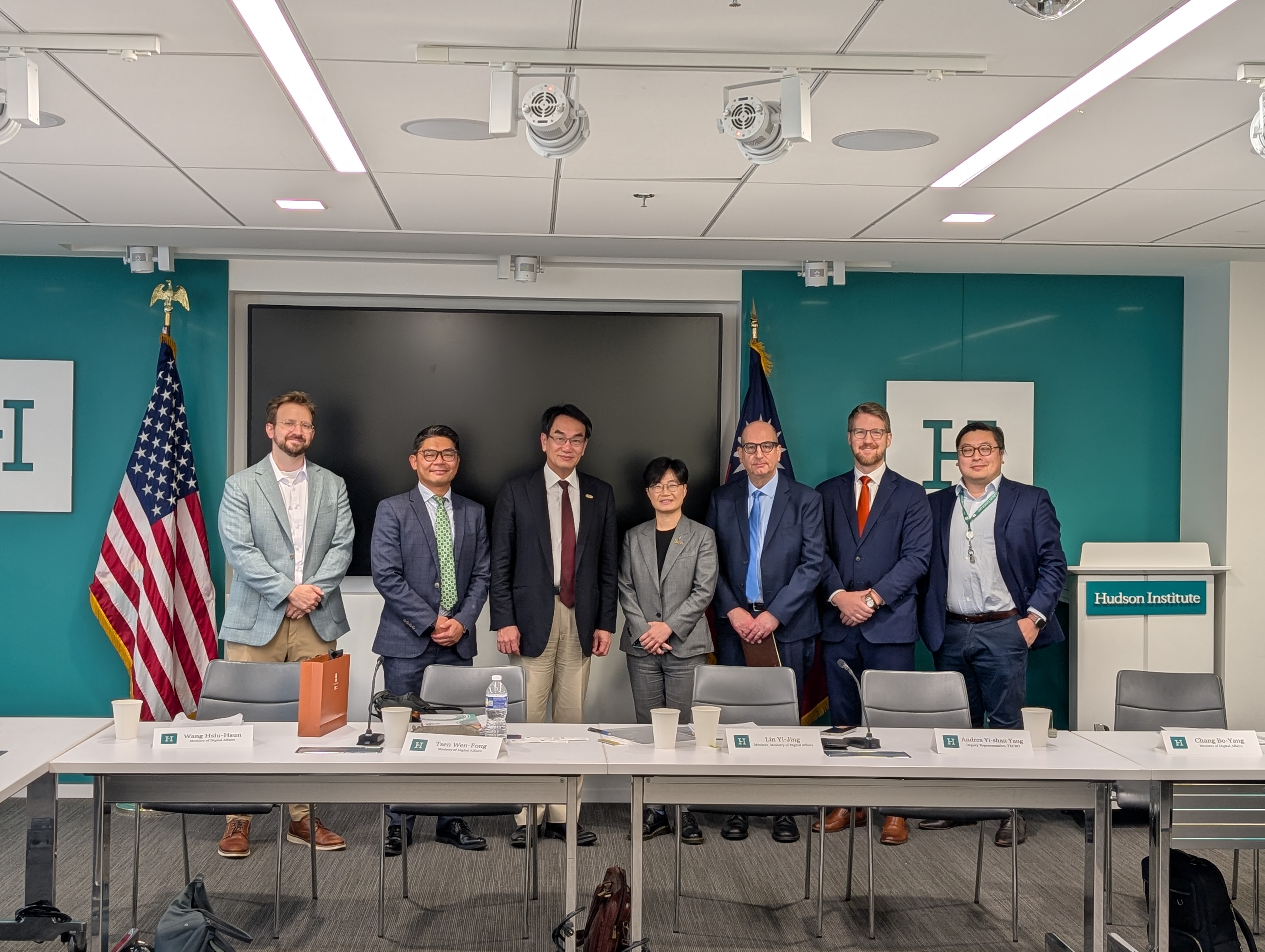
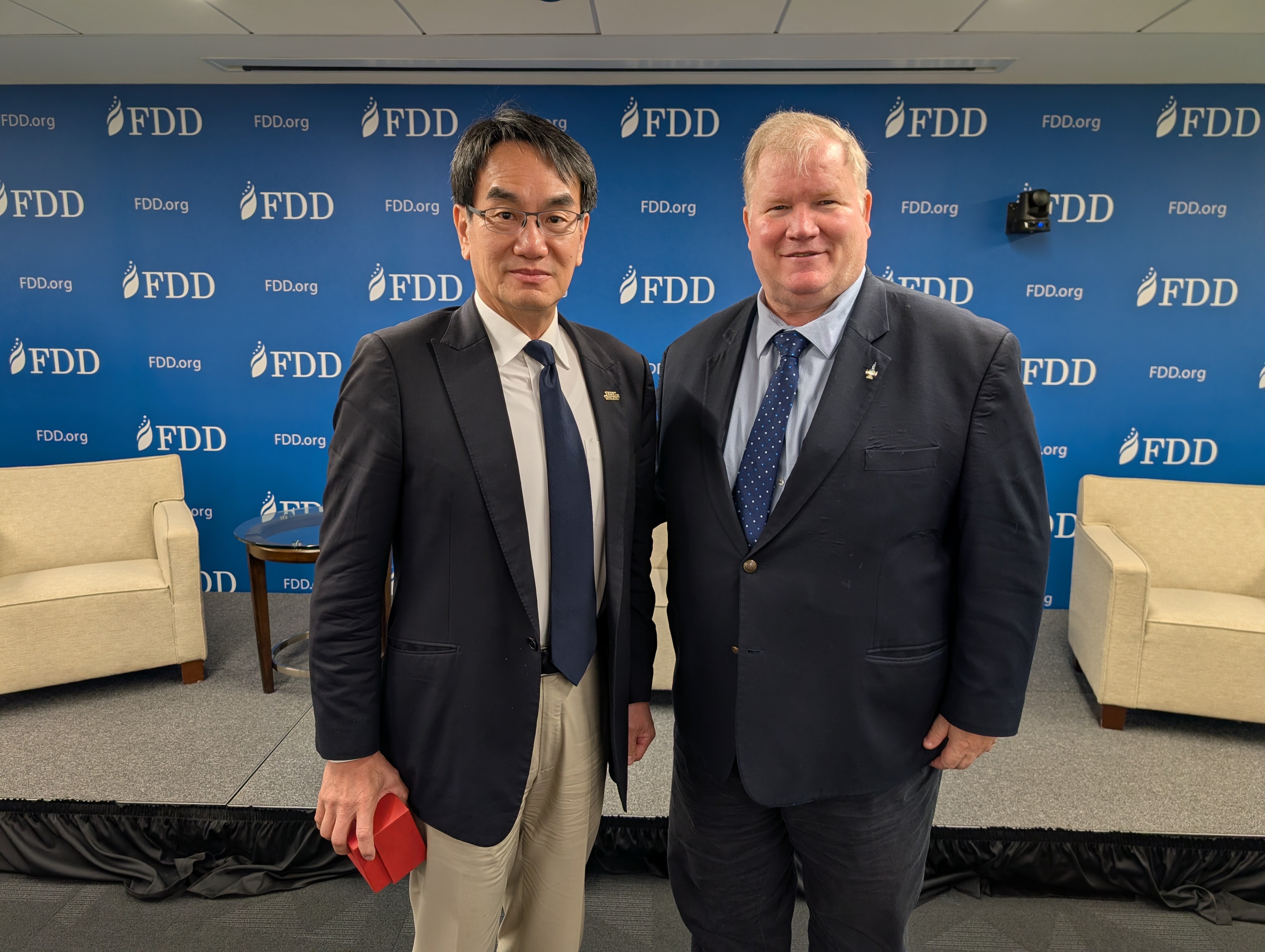
During this visit, the delegation exchanged views with U.S. administration officials and think tanks such as the Hudson Institute, the Center for Strategic and International Studies (CSIS), the Special Competitive Studies Project (SCSP), and the Foundation for Defense of Democracies (FDD), focusing on issues including AI strategy, technological competition, cybersecurity, and digital resilience.
Among the topics discussed, Taiwan's experience in advancing sovereign AI and AI model evaluation emerged as a key focus of this exchange. Minister Lin noted that with AI becoming an essential tool for acquiring information and making sense of the world, how AI models “understand Taiwan” extends far beyond technology. It fundamentally concerns whether Taiwan’s language, history, culture, and social context are represented with accuracy.
Taiwan is developing its sovereign AI capabilities by utilizing Traditional Chinese texts and local data, while also establishing a model evaluation mechanism to examine the understanding and performance of international AI models on Taiwan-related issues. The evaluation results will be provided to industry partners as a reference to support continuous model improvement.
Minister Lin also quoted a line from George Orwell’s novel Nineteen Eighty-Four: “Who controls the past controls the future. Who controls the present controls the past.” He pointed out that as AI increasingly influences people’s understanding of the world, some authoritarian countries are attempting to reinterpret past history through AI in order to dominate the future development of human society. Therefore, Taiwan must take control of its own data, language, and perspectives, and ensure that the views of Taiwan, the U.S., and other democratic countries can be correctly understood in the AI era.
Beyond sovereign AI and model evaluation, cybersecurity defense was another key topic of discussion in Washington. Taiwan has long existed in a high-intensity cyberattack environment, where government agencies, critical infrastructure, and enterprises confront a large volume and wide variety of cyber threats every day. Consequently, Taiwan has accumulated a wealth of practical experience, threat intelligence, and defense capabilities.
During this exchange with U.S. officials and think tank experts, the delegation held in-depth discussions on cybersecurity defense, threat intelligence sharing, scenario simulation, post-quantum cryptography, and Frontier AI. Taiwan shared its frontline experience in countering cyber threats and explored potential applications of AI technology in cybersecurity defense.
MODA stated that Taiwan faces approximately 2.6 million cyberattacks daily. With increasingly sophisticated attack methods, hackers have recently begun using AI to enhance attack efficiency, indicating that cybersecurity threats are entering a new phase. In the face of rapid Frontier AI development, Taiwan hopes to further deepen exchanges with the U.S. on related models and technologies, while exploring how Frontier AI capabilities can strengthen the cybersecurity of government agencies and critical infrastructure.
The delegation’s visit to the U.S. also featured dedicated exchanges with global technology companies, including Meta, OpenAI, and Amazon. The objective was to gain firsthand insights into the technological advancements and practical challenges surrounding AI security, platform governance, and communication resilience, ensuring policy discussions move beyond theory to align directly with real-world technology and applications. During the exchange with OpenAI, both parties focused on cybersecurity defense in the context of the rapid development of AI, and explored the use of Frontier AI to enhance threat analysis, vulnerability discovery, and incident response. During discussions with Meta, both sides exchanged views on fraud prevention, AI-generated content, and platform governance, while exploring ways to establish stronger age and identity verification mechanisms that respect user privacy. Discussions with Amazon focused on low-Earth orbit satellite communications in order to gain an understanding of related services and their development in Taiwan, with an emphasis on continuing to strengthen diverse communication capabilities.
MODA noted that this U.S. visit bridged three distinct levels: “government policy dialogue, strategic exchanges with think tanks, and technology industry cooperation.” On one level, it provided insights into U.S. policy thinking on AI, technology security, and digital resilience; on another, it enabled us to bring Taiwan’s policy needs and practical insights to the international table while discussing concrete cooperation opportunities directly with global technology leaders.
MODA will continue to bring the results of this exchange back to Taiwan and translate them into concrete policies and cooperation efforts to deepen Taiwan-U.S. cooperation in areas such as AI, cybersecurity, and critical infrastructure resilience. This will also enable Taiwan, in global technology and digital governance cooperation, to move beyond the role of a “user” and become a partner that shares experience, offers solutions, and helps tackle shared challenges.