Deputy Minister of Digital Affairs Isabel Hou Attends Taiwan-Paraguay Technology Forum as Invited Guest to Share Insights into National Digital Competitiveness in AI Era
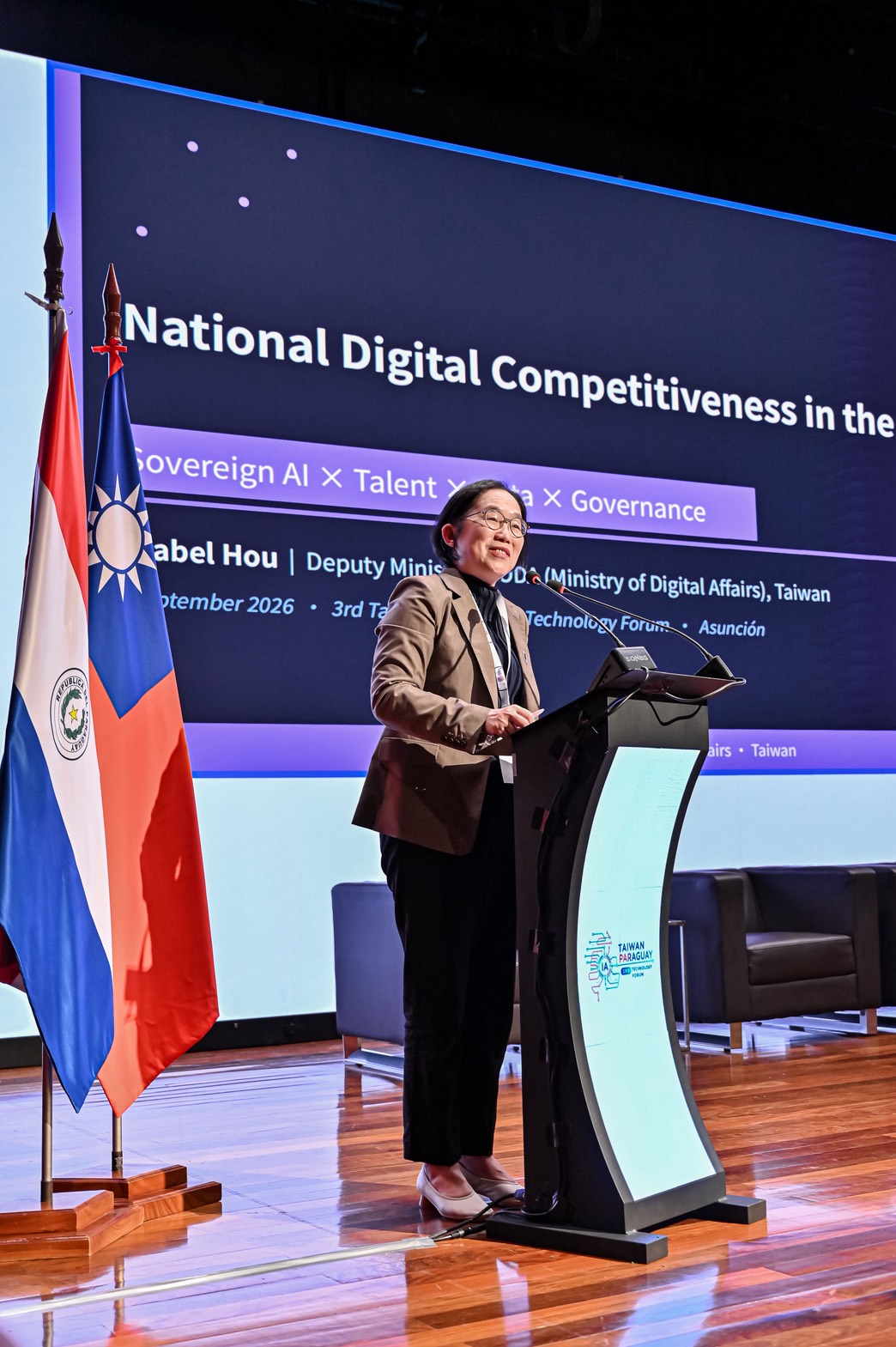
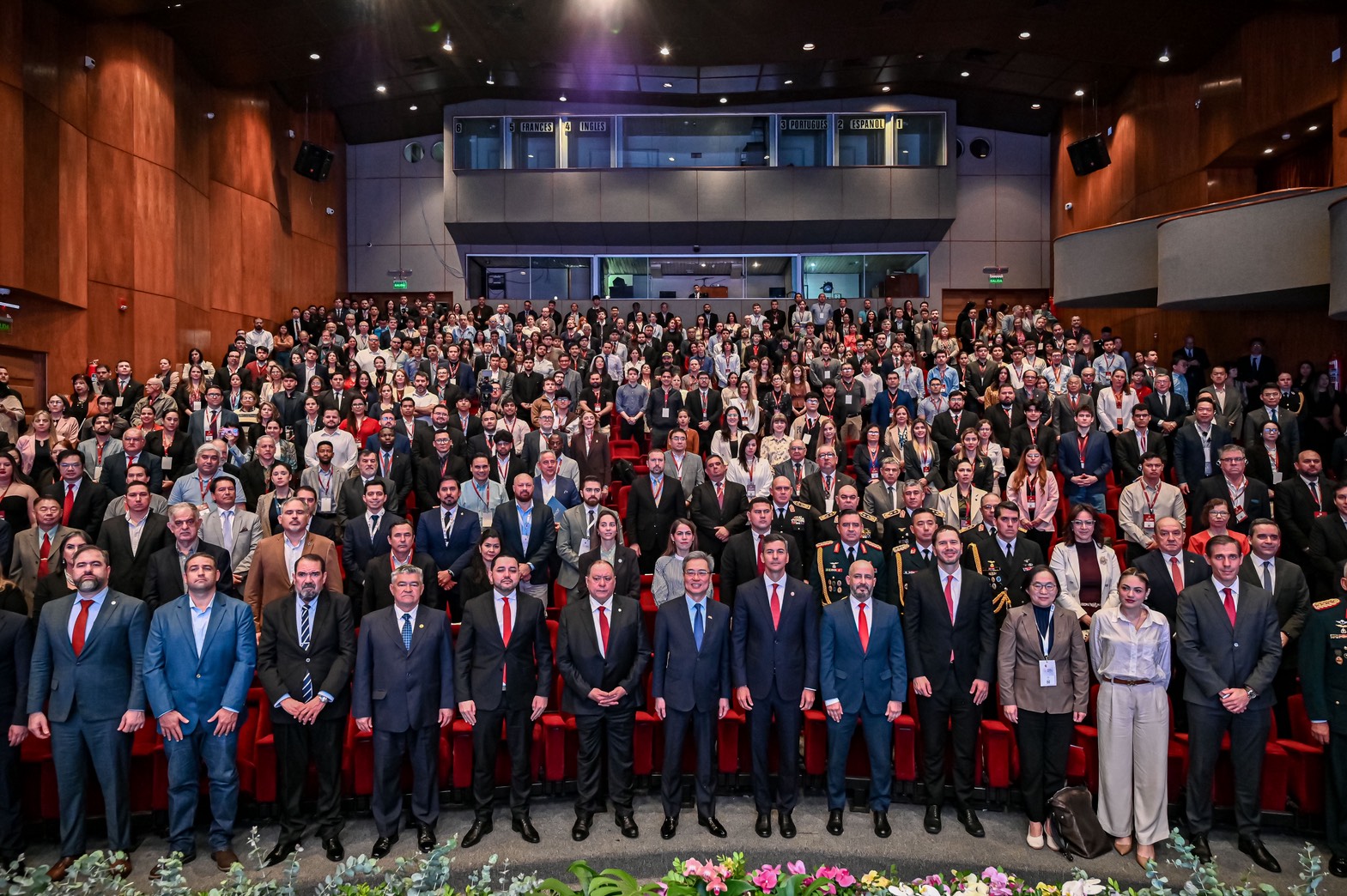
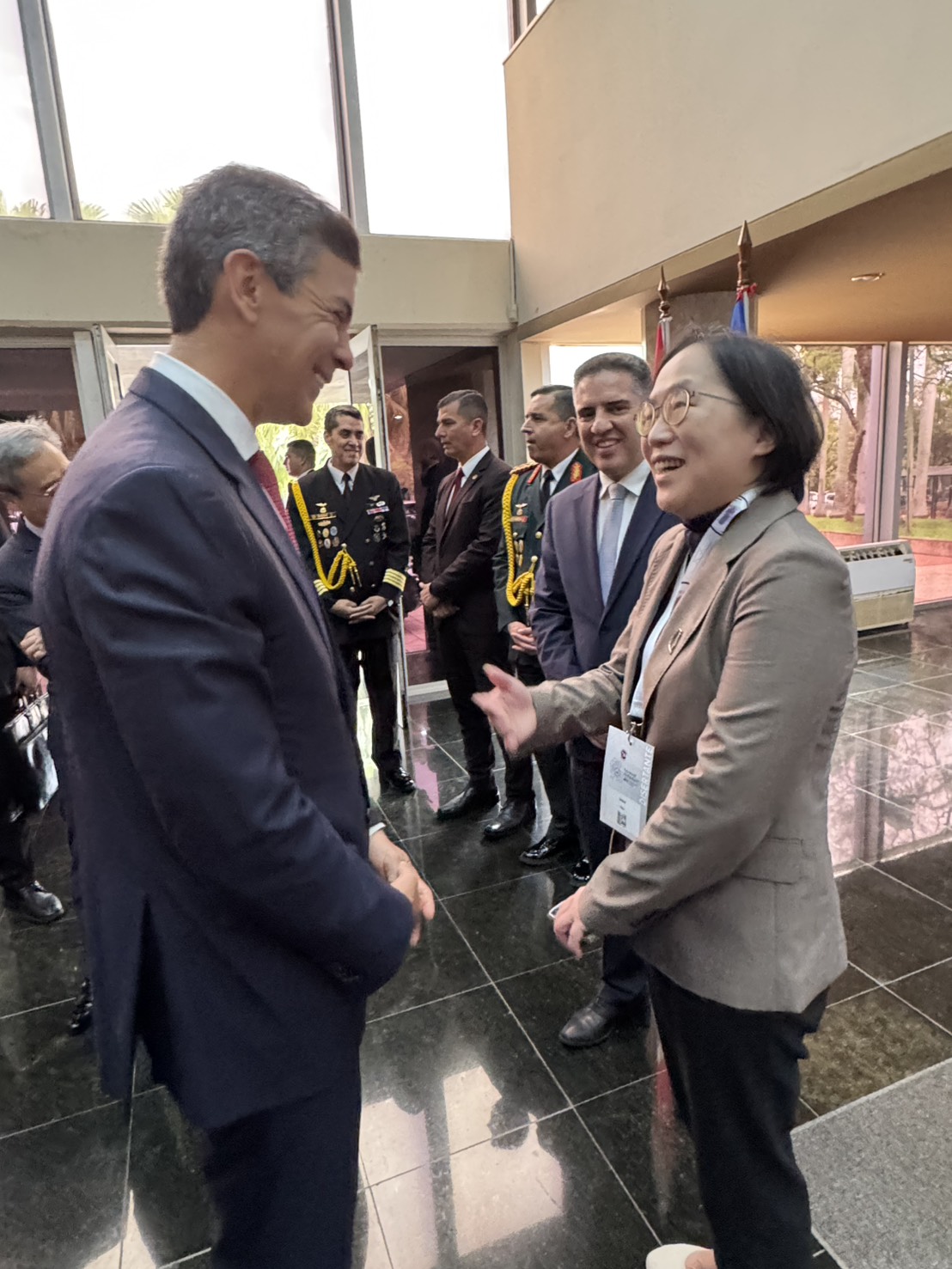
Deputy Minister of Digital Affairs Isabel Hou was recently invited to visit the Republic of Paraguay. On September 11, at the third Taiwan-Paraguay Technology Forum held at the Taiwan-Paraguay Polytechnic University (UPTP), Deputy Minister Hou delivered a keynote speech entitled “National Digital Competitiveness in the AI Era.” Joining representatives from the Paraguayan government, industry, and academia, she discussed national development strategies in the AI era and opportunities for Taiwan-Paraguay cooperation. The forum received much attention and enthusiastic responses. Paraguayan President Santiago Peña personally attended the opening ceremony, demonstrating Paraguay’s high regard for the technological cooperation between the two countries.
UPTP was established under the Taiwan-Paraguay bilateral higher education cooperation program promoted by the Ministry of Foreign Affairs. It has since nurtured approximately 700 outstanding young people, with about 300 having graduated. Since 2024, the Taiwan-Paraguay Technology Forum has been held annually, serving as an important bridge for scientific and technological cooperation and exchange. Held in Asunción, the capital of Paraguay, the main theme of the forum this year was “Leveraging AI to Drive Innovation, Research and Production Development.” The agenda covered areas such as digital government, information security, financial services, advanced manufacturing, energy, smart agriculture, and digital health. The opening ceremony featured speeches by Jorge Duarte, Rector of UPTP, Iván Yueh-Jung Lee, R.O.C. Ambassador to Paraguay, and President Peña.
In her speech, Deputy Minister Hou pointed out that in an era where AI is reshaping technology, industry, and public services, the four pillars of a nation’s digital competitiveness are “sovereignty, talent, data, and governance.” Sovereign AI represents a nation’s AI capabilities underpinned by strategic autonomy. It affords a nation the room to select, replace, and exit from data, computing power, and models, ensuring that critical services can continue to operate even in the event of outages, malfunctions, or external changes. Taiwan’s six-layer architecture stack for sovereign AI encompasses energy, chips, computing power, data, models and applications, with talent, cybersecurity and governance permeating each layer. The government is responsible for setting the direction and providing a common foundation, upon which private partners develop products and innovate services.
In her speech, Deputy Minister Hou also shared Taiwan’s AI governance practices, including the Artificial Intelligence Basic Act, which came into effect in January of this year. In accordance with the new act, the Ministry of Digital Affairs (MODA) established the AI Risk Taxonomy and Assessment Framework as a common basis for various ministries to formulate management regulations. Since its launch last December, more than 200 agencies have contributed to the Taiwan Sovereign AI Training Corpus, feeding more than 2.2 billion tokens and creating a corpus containing Taiwan’s cultural characteristics and perspectives. In terms of talent, the digital talent blueprint is being promoted through “training by practice.”
As for the future direction of cooperation between Taiwan and Paraguay, Deputy Minister Hou said that Taiwan is willing to leverage its own development experience to jointly exploit the opportunities presented by AI development with Paraguay— from isolated projects to a complete ecosystem, from cooperation agreements to long-term mechanisms, and from bilateral cooperation to regional influence, Taiwan works to shape the future together with trusted partners in the AI era.
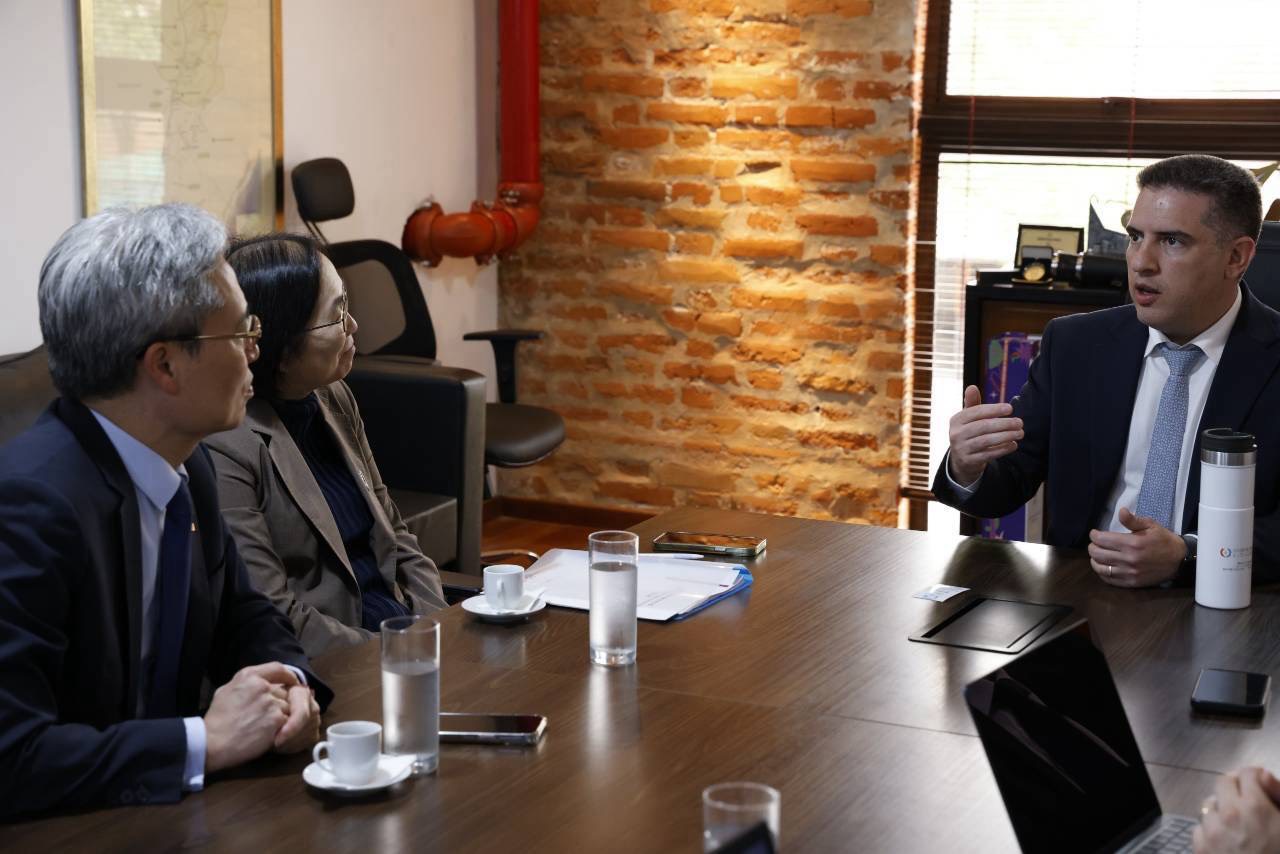
During her trip, Deputy Minister Hou also met with Gustavo Villate, Minister of Information and Communication Technologies of Paraguay. The two exchanged views on issues such as legal regulations for AI governance, AI infrastructure, as well as Taiwan’s experience in AI ecosystem and AI talent cultivation. Deputy Minister Hou noted that the development of AI at the national level is not just about hardware construction. It also requires talent, data and governance. Taiwan is willing to share its experience in promoting AI, facilitating concrete connections between industry, academia and UPTP in research and talent cultivation.
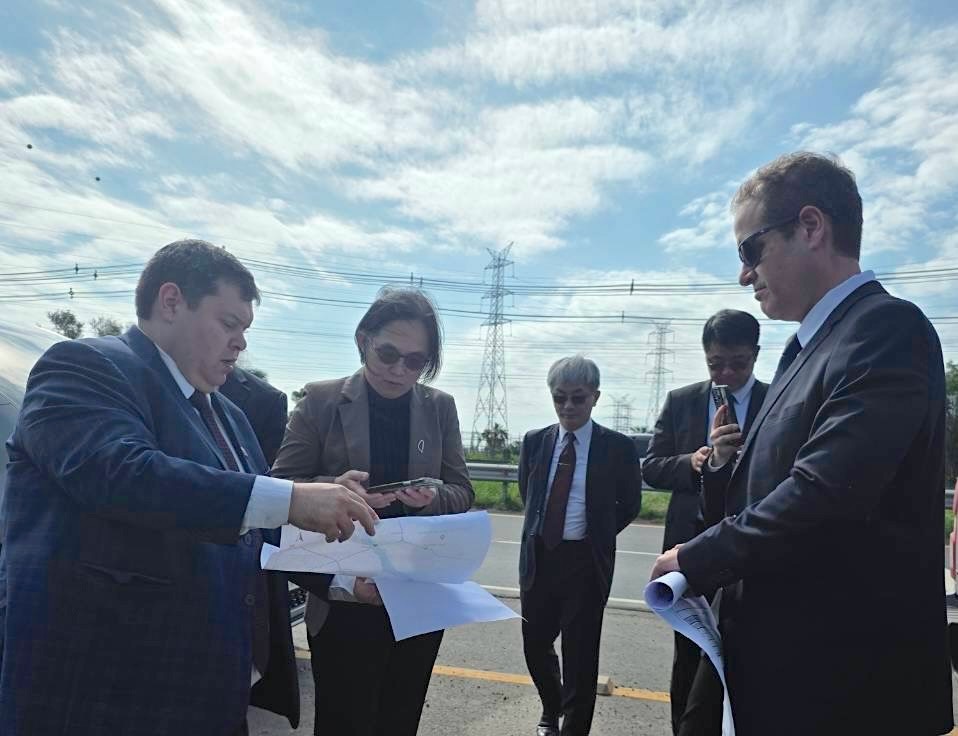
In addition, Taiwan and Paraguay are cooperating on the construction of the Taiwan-Paraguay Sovereign AI Computing Center under the promotion of the Ministry of Foreign Affairs. During her trip, Deputy Minister Hou visited the planned construction site and the nearby substation to inspect the surrounding terrain and power supply conditions. The computing center combines Taiwan’s high-tech strength with Paraguay’s abundant green electricity, making it the world’s first AI computing infrastructure jointly built by the two countries.
MODA pointed out that in May of this year (2026), President Peña visited Taiwan for a state visit. During which, he and President Ching-Te Lai of Taiwan jointly witnessed the signing of the Taiwan-Paraguay Memorandum of Understanding (MOU) on Sovereign AI Computing Center Investment and Cooperation, and an MOU on cybersecurity cooperation. Deputy Minister Hou’s trip continued to advance the aforementioned progress, specifically promoting cooperation between the two countries in areas such as AI computing power, cybersecurity, and digital talent. MODA will join forces with the Ministry of Foreign Affairs and other relevant ministries to further deepen digital cooperation with friendly nations, building upon existing MOUs and platforms such as UPTP. By aligning with international standards through collaborative governance, Taiwan aims to jointly create a trustworthy digital environment.