MODA Deputy Minister Isabel Hou Delivers a Keynote Speech at a UN General Assembly Side Event, Urging Like-Minded Partners to Shape an "AI for Good" Future
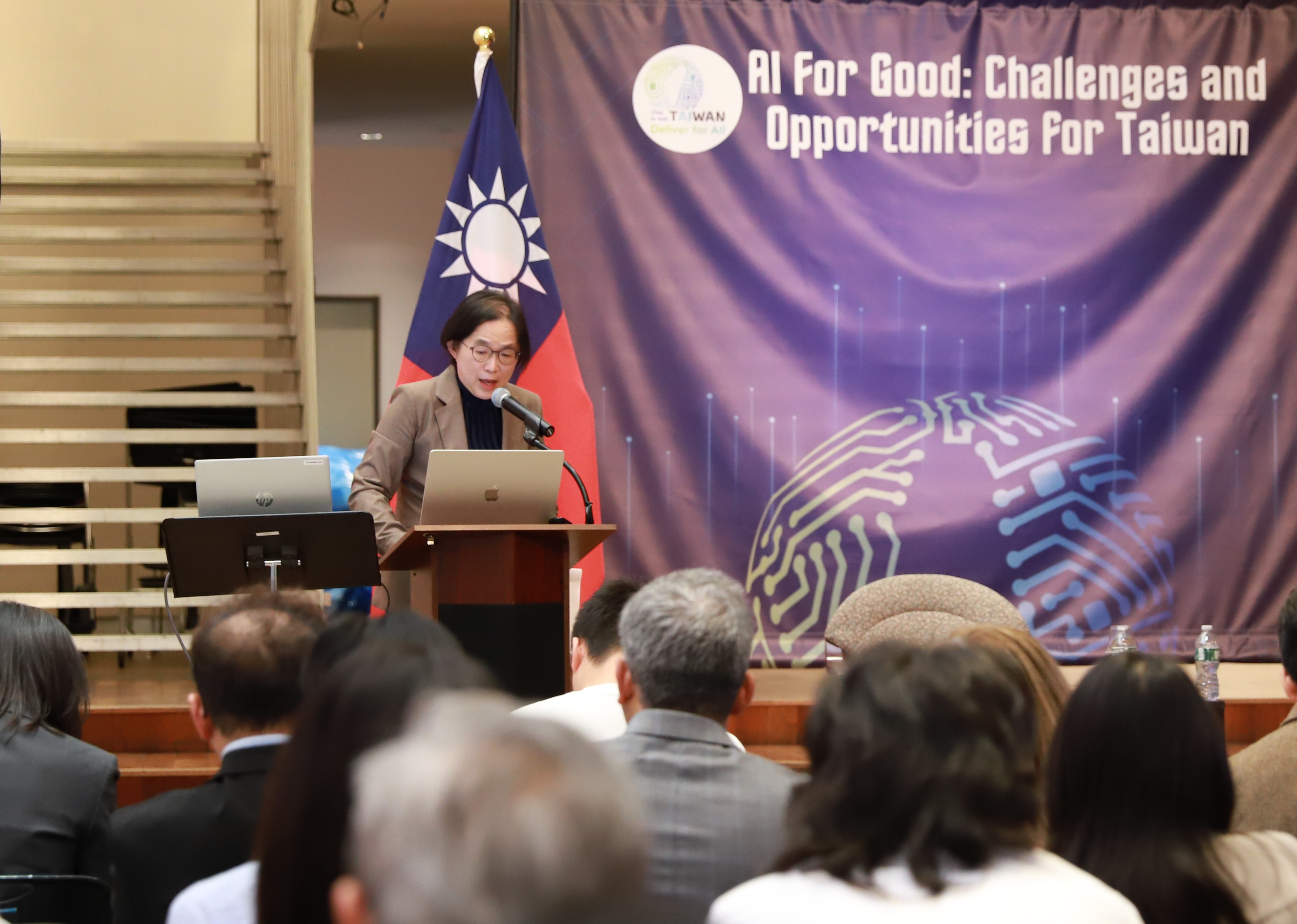
Deputy Minister Isabel Hou of the Ministry of Digital Affairs (MODA) was invited to deliver a keynote speech at the seminar titled "AI For Good: Challenges and Opportunities for Taiwan" in New York, USA, on September 29. Deputy Minister Hou pointed out that nations face two major challenges in driving AI: promoting widespread adoption and ensuring its safe use. Taiwan contributes to the world not only through chips and servers, but also by offering the practical experience of a democratic country tackling both challenges simultaneously. Taiwan is eager to collaborate with global like-minded partners to shape an "AI For Good" future.
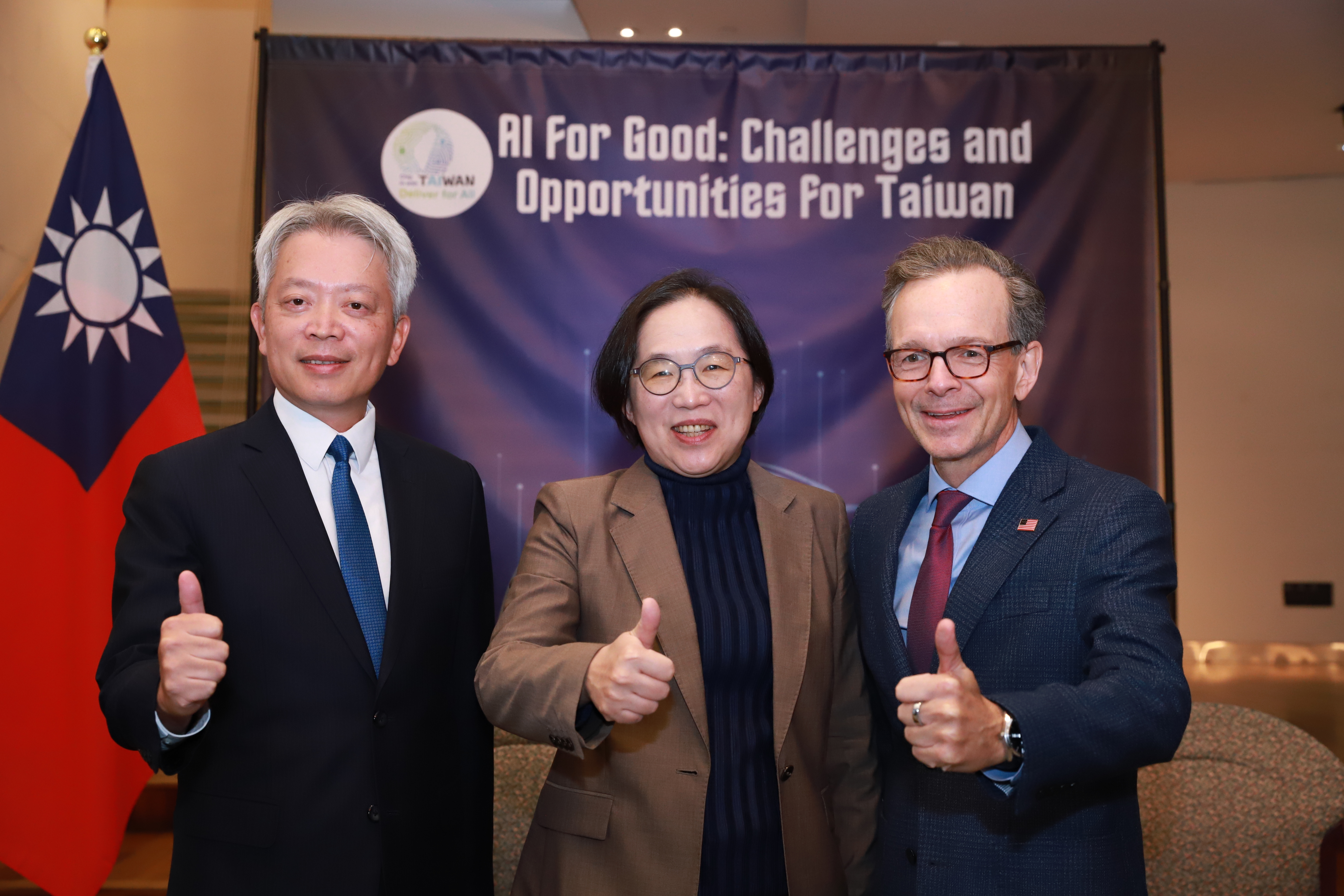
MODA stated that the seminar was jointly hosted by the Taipei Economic and Cultural Office (TECO) in New York and the US-Taiwan Business Council (USTBC) during the High-Level Week of the 2026 UN General Assembly. The event was moderated by Rupert Hammond-Chambers, USTBC President, with welcome remarks delivered by Ambassador Tom Chih-chiang Lee, Director-General of TECO in New York, attracting enthusiastic participation from local industry, government, and academic leaders.
In her speech, Deputy Minister Hou highlighted that "AI For Good" is also the title of the UN's flagship AI summit. While Taiwan manufactures over 90% of the world's advanced chips and AI servers, it remains excluded from the UN system due to the misinterpretation of UN General Assembly Resolution 2758. This represents a significant loss for building a trustworthy AI supply chain and ensuring the safe development of global AI.
Deputy Minister Hou noted that "promoting AI widespread adoption" and "ensuring safe AI use" are shared global challenges. To address "promoting AI widespread adoption", Taiwan is developing sovereign AI capabilities to strengthen its strategic autonomy and lay the foundation for widespread AI deployment. It is also cultivating AI talent and promoting the integration of AI across different sectors. One example is MODA’s “AI Garden Project: Tech Inclusion × Educational Rooting,” which brings AI applications to rural schools, farms, and long-term care facilities. For "ensuring safe AI use", Taiwan has established AI governance mechanisms, including the “Artificial Intelligence Basic Act” and “AI Risk Taxonomy and Assessment Framework”, while working with other government ministries and industry sectors to promote the safety and trustworthy development of AI.
Deputy Minister Hou further emphasized that Taiwan’s contributions extend beyond chips and servers. Its experience demonstrates how democratic societies can promote the widespread adoption of AI while ensuring its safe deployment. She noted that the value of AI lies in the breadth and depth of its applications. AI should benefit not only major technology companies and urban centers, but also small and medium-sized enterprises (SMEs), farms, hospitals, schools, and government agencies. At the same time, as AI adoption expands, trust becomes increasingly important, as people are more likely to embrace technologies they trust. Safety enables broader adoption, while wider adoption increases the value of efforts to ensure safety. Taiwan is a trustworthy partner for the international community and looks forward to working with the United States, like-minded nations, and all countries committed to building a trustworthy AI future to establish concrete, actionable trust mechanisms and AI solutions that collectively shape an "AI For Good" future.
In response to Deputy Minister Hou’s remarks, USTBC President Rupert Hammond-Chambers emphasized that “trust” is the single most important factor in AI development. He noted that major global companies, including NVIDIA, whose CEO Jensen Huang has close ties to Taiwan’s technology ecosystem, choose to work with TSMC and Taiwan’s broader industrial ecosystem because of the trust they place in Taiwan. Deputy Minister Hou responded that "trust" is Taiwan's indispensable advantage. As AI becomes increasingly integrated into everyday life, ensuring its security and reliability is essential. Trust cannot rest on perceptions alone; it must be underpinned by robust policies, sound institutional frameworks, and skilled talent. Taiwan is committed to providing trustworthy solutions and serving as a reliable partner to the international community.
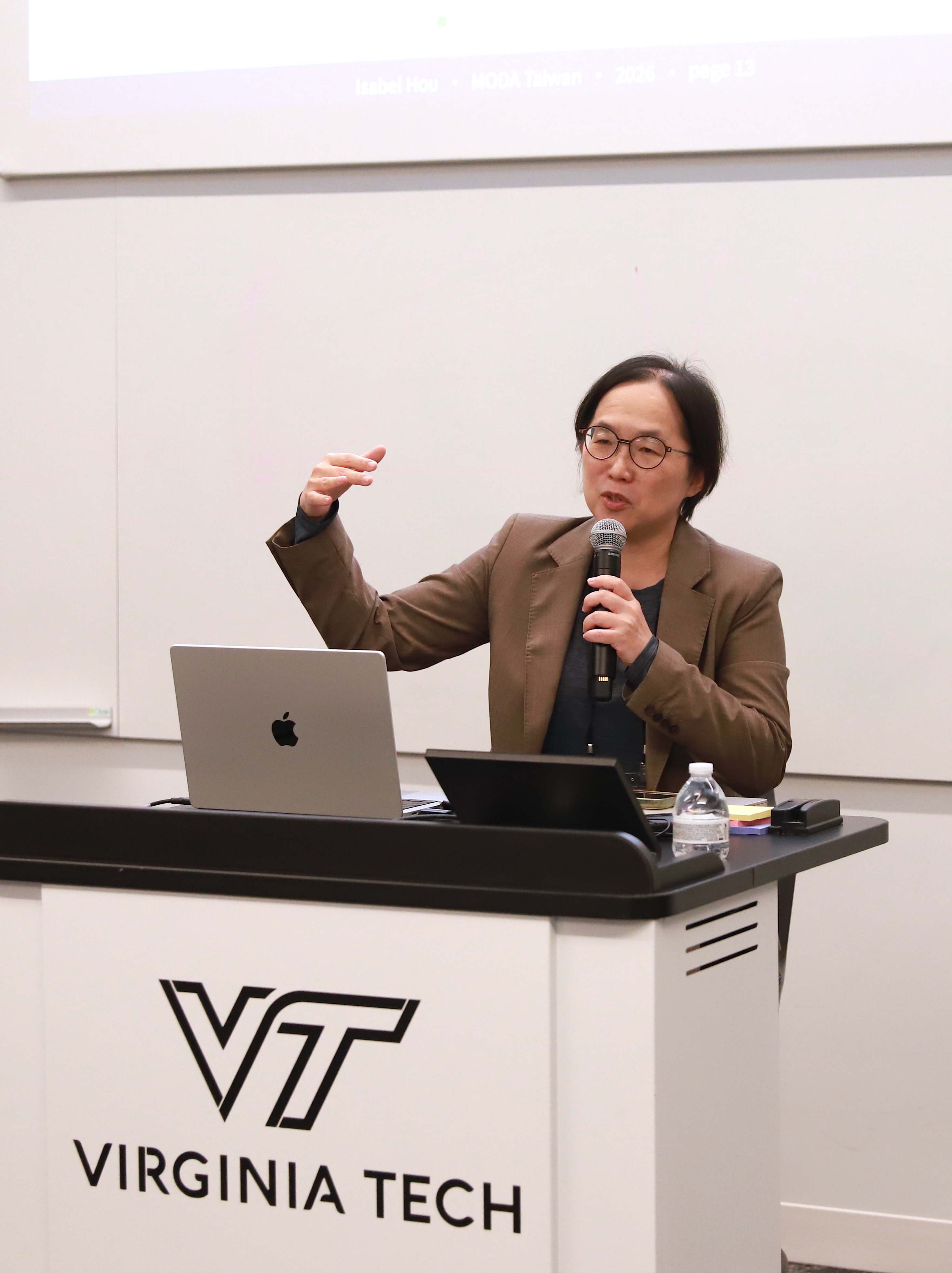
In addition, Deputy Minister Hou was invited to attend "The First Workshop on Sovereign AI for Collaborative and Pluralistic AI Ecosystems" held in the greater Washington, D.C. area. In her presentation, titled “Collaborative Sovereign AI: Taiwan’s Policy Framework and AI Governance Practices,” she explained that sovereign AI can be developed through the collaborative spirit of the open-source community. By engaging government agencies, private enterprises, civil society organizations, and researchers from Taiwan and abroad in AI governance, Taiwan aims to develop strategically autonomous national AI capabilities while balancing innovation with the protection of human rights.
MODA explained that the workshop was part of the joint HCOMP+CI 2026 conference, co-organized by the International Conference on Human Computation and Crowdsourcing (HCOMP) and the International Conference on Collective Intelligence (CI), under the auspices of the Association for Computing Machinery (ACM), one of the world's largest computer science academic organizations. The workshop explored how technology and governance can help AI systems reflect local cultures and diverse societal values.
The workshop originated from an AI project co-led by one of the organizers, Dr. Ku, Lun-wei of Academia Sinica, in collaboration with Taiwan public media. It brought together experts and scholars from Taiwan, the United States, Japan, India, and Italy, representing diverse fields including AI, human-computer interaction (HCI), law, public policy, sociology, and economics. Using AI-assisted deliberative democracy tools, participants were able to identify and summarize areas of consensus and disagreement on sovereign AI in real time. In keeping with the principles of collaborative governance, MODA will continue working with international partners to build a trustworthy digital environment in the AI era.