Promoting AI Innovation and Copyright Protection: Three Ministries Jointly Invite Content and AI Industry Stakeholders for Exchange Meeting
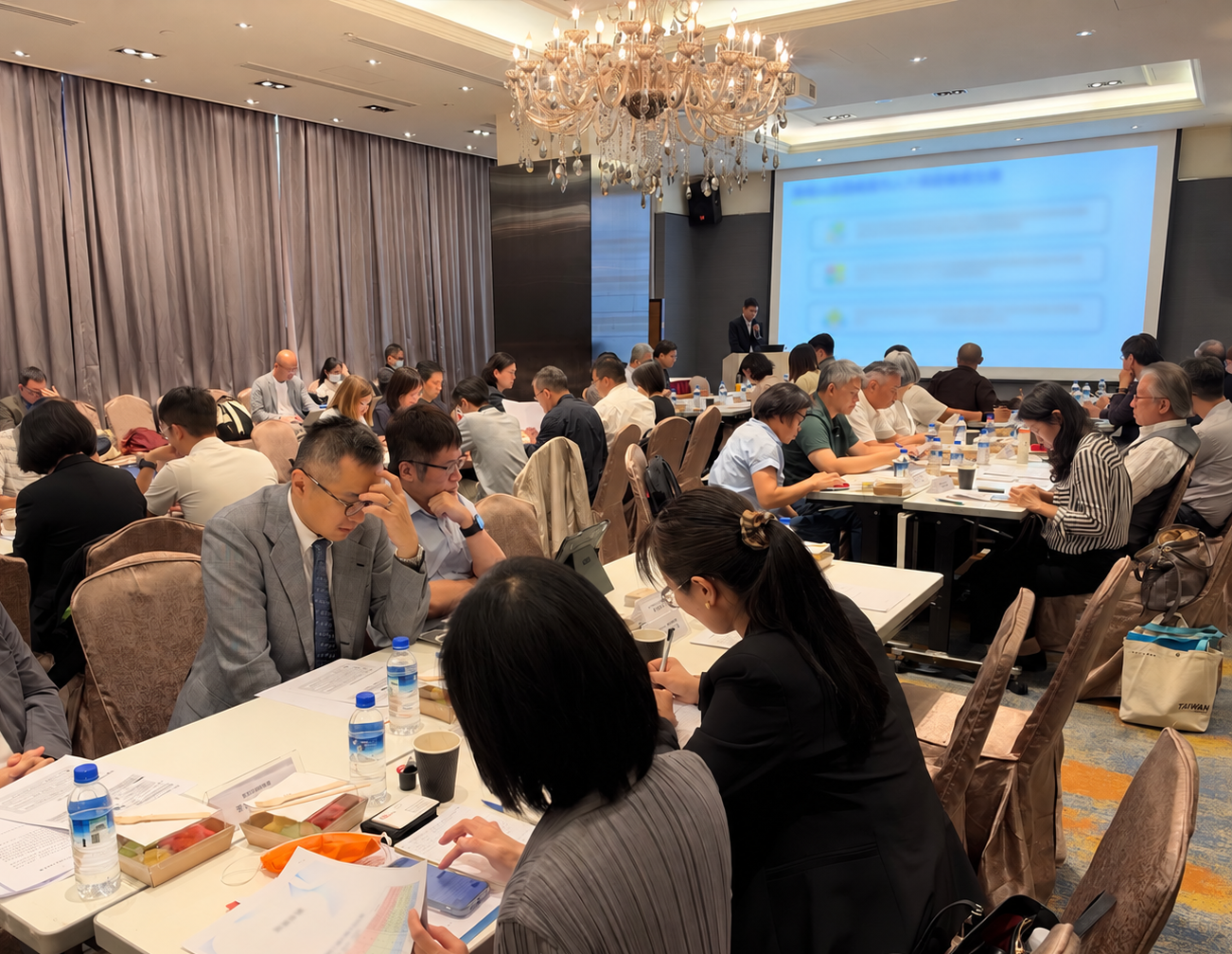
To address the demands of data circulation and innovative application driven by AI development while safeguarding the copyright interests of the content industry, the Ministry of Digital Affairs (MODA), the Ministry of Culture (MOC), and the Taiwan Intellectual Property Office (TIPO) of the Ministry of Economic Affairs jointly held their first “Rights Holder Exchange Meeting” on the 16th of this month (October). The meeting brought together domestic content industry representatives, trade associations, AI application developers, and domain experts to exchange views on AI development and copyright protection. It is hoped that stakeholder discussions, cross-ministerial cooperation, and industry dialogue will serve as key references for future policy formulation and legal studies.
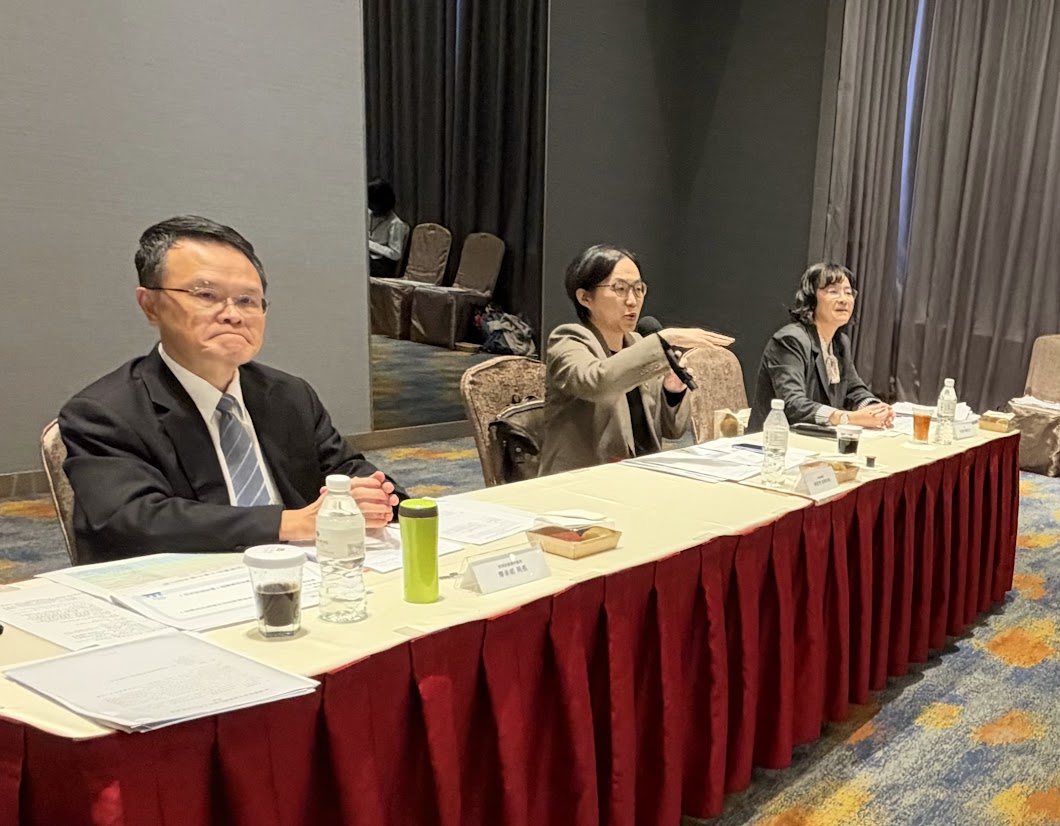
The exchange meeting was co-chaired by MODA Deputy Minister Isabel Hou, MOC Administrative Deputy Minister Hsu Yi-chun, and TIPO Director-General Liao Cheng-wei. The meeting heard practical experiences and concerns from both content creators and AI developers, focusing on topics such as data utilization and licensing for AI training, copyright protection, high-quality corpus preparation, and industry collaboration.
MODA explained that AI developers require vast amounts of high-quality training data, whereas content creators are concerned about how their works are used and whether they receive fair compensation. Balancing the needs of both sides is a crucial topic in government data governance. To seek a balanced development between AI innovation and copyright protection, TIPO and MODA have respectively drafted the "Copyright Guidelines for Generative AI" and the "Regulation for Promoting the Development of Innovative Use of Data". The insights gathered from this meeting will serve as a foundation for subsequent policy studies and iterative adjustments.
Deputy Minister Hsu of the MOC stated that content creators and AI users share the common goal of finding a mutually beneficial mechanism that enables innovative data usage while securing creators' rights and maintaining creative momentum. The MOC has long supported domestic cultural content creation and looks forward to continued dialogue across ministries and industries to explore collaborative models for creators participating in AI development. This will ensure that Taiwanese culture and diverse perspectives remain recognized and visible in the AI era.
Director-General Liao of the TIPO noted that copyright issues related to AI are still being explored and discussed globally. Achieving balanced development requires two-way communication between content creators and users to build a foundation for negotiations. TIPO will continue listening to feedback from various sectors and collaborate with relevant ministries to study feasible approaches that balance AI innovation and copyright protection.
Deputy Minister Hou of the MODA pointed out that the key to developing Taiwan's Sovereign AI lies in "interchangeable models and controllable data"—allowing models to be flexibly updated as technology evolves while keeping data autonomously controlled within the nation. The “Draft Regulation for Promoting the Development of Innovative Use of Data” promoted by MODA aims to systematically and institutionally promote data openness, sharing, and reuse by establishing appropriate licensing terms. Concurrently, MODA is actively facilitating the digitization of high-quality private-sector corpora and AI applications while encouraging AI companies to establish remuneration payment mechanisms, gradually fostering a win-win ecosystem where both AI development and rights holders thrive.
Deputy Minister Hou expressed hopes to communicate fully with all sectors to explore viable paths of collaboration to achieve two major goals: first, integrating data governance to assist in the development of domain-specific Sovereign AI and enabling ministries to promote the effective use of AI across society and industry; second, helping Taiwan's cultural content industry meet transformation needs in the AI era while ensuring Taiwanese culture and viewpoints continue to be seen and understood globally through AI.
At the end of last year (2025), MODA launched the Taiwan Sovereign AI Training Corpus to collect high-quality Traditional Chinese text. Initially focusing on central and local government data, the corpus has accumulated 3.3 billion tokens as of mid-October this year, with recent efforts expanding to solicit voluntarily licensed private-sector data. Deputy Minister Hou emphasized that the Sovereign AI Corpus will not force the private sector to provide data for free. Instead, the government takes the lead by converting government information into machine-readable, AI-ready data, prioritizing open sharing for data that excludes personal information or has obtained licensing, while continuously improving data quality. The Executive Yuan also encourages ministries to allocate budgets to expand the collection of Taiwan's diverse corpora, laying a solid foundation for Taiwan's AI applications.
Deputy Minister Hou concluded that both the content industry and AI developers are essential stakeholders in the future industrial ecosystem. The government has a responsibility to proactively initiate discussions, foster mutual understanding, and move collaboration forward. This meeting marks the beginning of an ongoing dialogue. MODA, the MOC, and the Ministry of Economic Affairs will synthesize feedback from all parties and continue collaborating with relevant agencies to clarify concerns and prudently map out future policy and legislative directions to achieve a pathway that supports both AI innovation and copyright protection.