MODA Inspects Taiwan’s First Disaster-Resilient Base Station Integrated with an Electrical Substation to Strengthen Communication Network Resilience
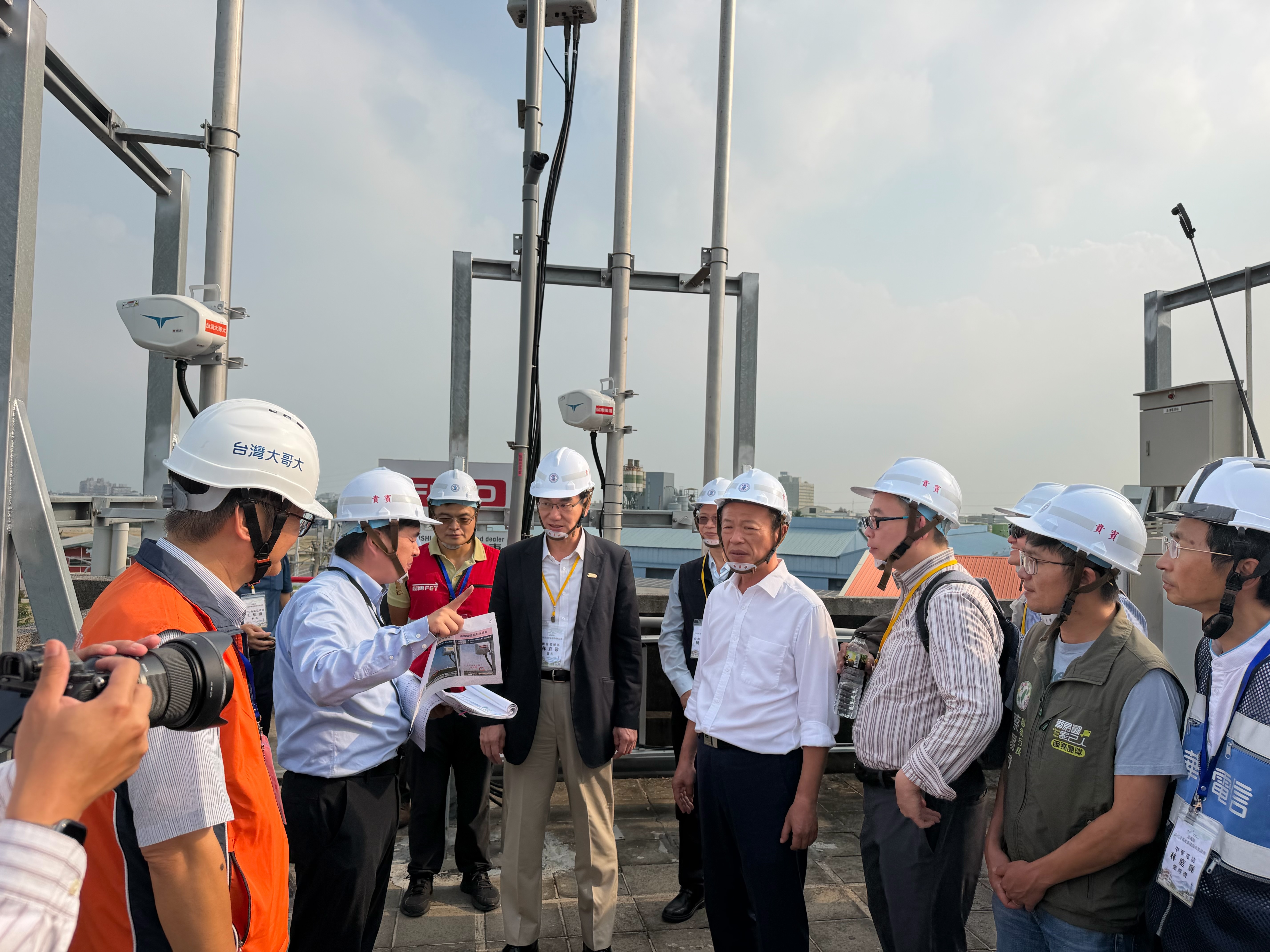
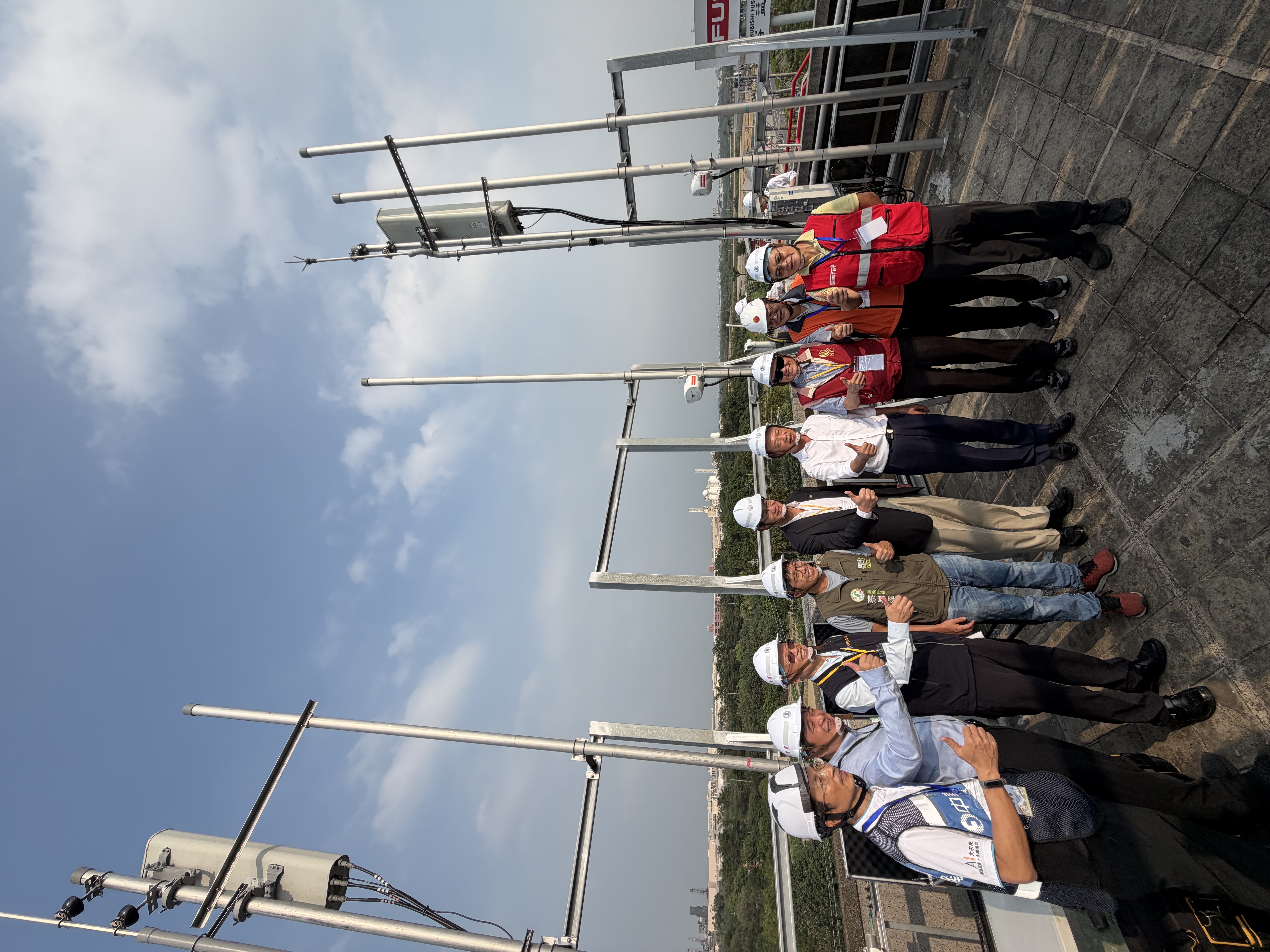
Lin Yi-jing, Minister of Digital Affairs, visited the Jiatai Electrical Substation in Chiayi County on 3 November to inspect Taiwan’s first disaster-resilient base station integrated with a Taipower substation and review the progress in strengthening communication resilience. Completed in June this year (2026), the disaster-resilient base station has demonstrated its resilience during Typhoons Bavi and Champi, operating stably and providing continuous mobile communication services. During the inspection, MODA also exchanged views on the current state of communication network infrastructure in Chiayi County with Chiayi County Magistrate Weng Chang-liang and the Office of Legislator Tsai Yi-yu, ensuring that policy implementation aligns with local needs.
Minister Lin stated that based on experience with natural disasters, the primary cause of mobile base station failures is power outages, followed by fiber optic cable disconnections. To effectively address these vulnerabilities in the event of a disaster and enhance the operational continuity of mobile communication networks, MODA has partnered with telecom operators through subsidy programs to accelerate the reinforcement of disaster resilience and backup system across communication network infrastructure.
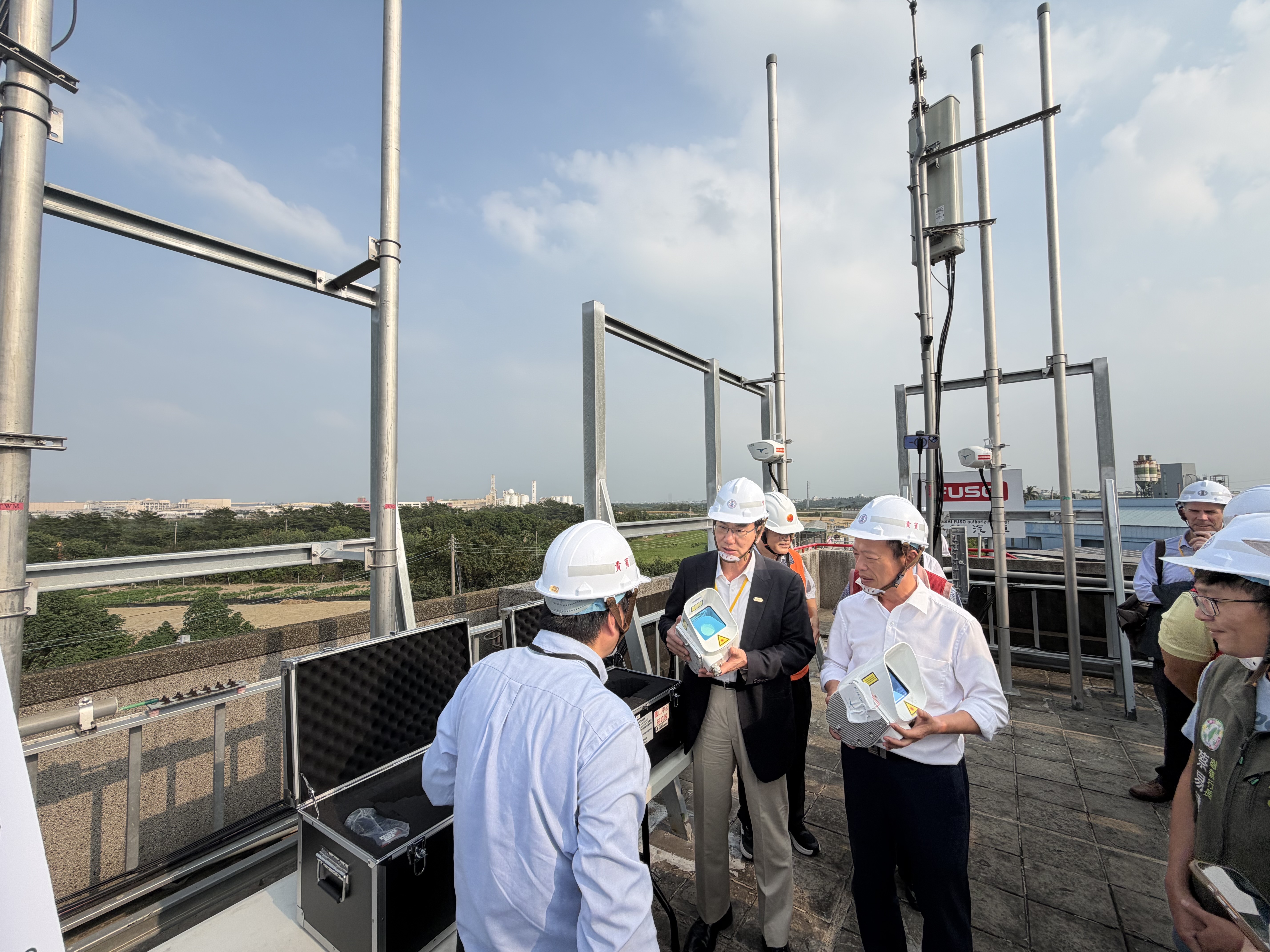
Minister Lin pointed out that the disaster-resilient base station at the Jiatai Electrical Substation in Taibao City, Chiayi County, serves as Taiwan’s first demonstration site built in conjunction with a Taipower substation, featuring three layers of resilience: power supply, transmission, and structural protection. For power resilience, it leverages the stable power supply of the substation to reduce the risk of service interruptions caused by blackouts. For transmission resilience, all three major telecom operators have installed laser transmission equipment as a secondary transmission route for the base station, mitigating the impact of single-path disruptions on communication services. For structural resilience, the base station facilities have been reinforced to withstand strong winds up to Level 15, ensuring structural stability during typhoons.
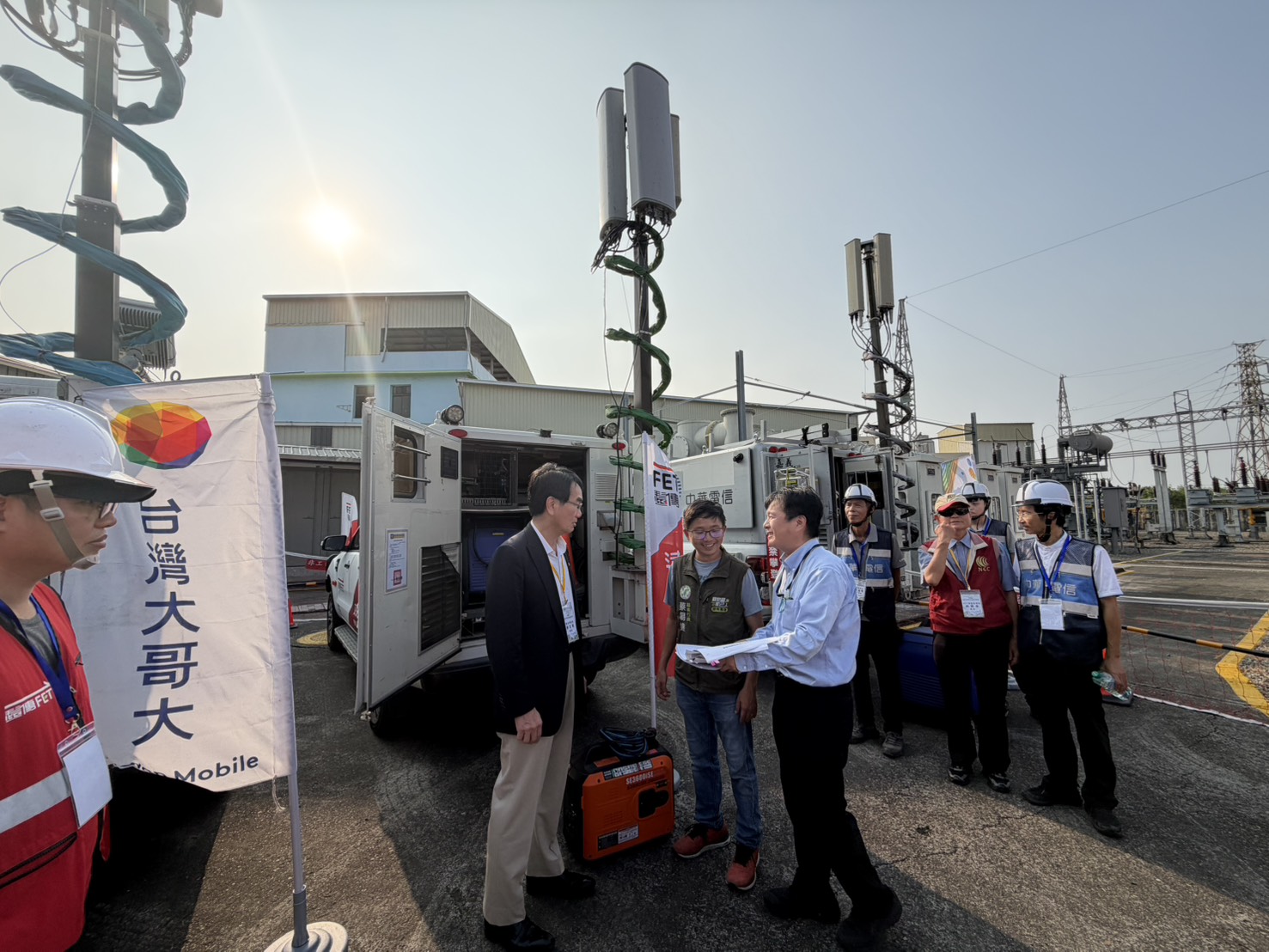
MODA explained that to ensure reliable mobile communication services for the public during disasters, it subsidized telecom operators through the Forward-Looking Infrastructure Development Program from 2023 to 2025 to construct or optimize 93 disaster-resilient base stations. All of these stations are equipped with 72-hour backup power, secondary transmission routes, or steel towers built to resist Level 15 winds. Concurrently, MODA procured or upgraded 55 mobile base station vehicles, purchased 107 portable generators, and encouraged operators to self-fund the acquisition of 840 portable generators to dynamically strengthen communication resilience and accelerate service restoration in disaster-affected areas. Furthermore, MODA subsidized telecom operators to construct 46 microwave systems in mountainous areas and offshore islands, bolstering backhaul network resilience for base stations.
MODA said it will continue encouraging telecom operators to accelerate deployment of disaster-resilient base stations in remote areas, offshore islands, regions prone to isolation, and disaster zones by the "Digital Resilience Project for Government Key Nodes and Rural Communications (FY 2026–2029)". The project will also expand microwave capacity in remote areas and islands and optimize satellite mobile base station vehicles.
The communication network infrastructure is designed not only to provide a high-quality internet environment for citizens' daily lives, but, more importantly, to maintain basic, reliable communication services during natural disasters and ensure uninterrupted contact with the outside world. Moving forward, MODA will continue to build a diverse and resilient communication system through public-private partnerships and cross-ministerial collaboration.