Taiwan Showcases AI Healthcare Innovation at the Greater South AI Smart Health Exhibition Ministry of Digital Affairs connects global industry partners through business matchmaking, creating new opportunities in AI-driven healthcare
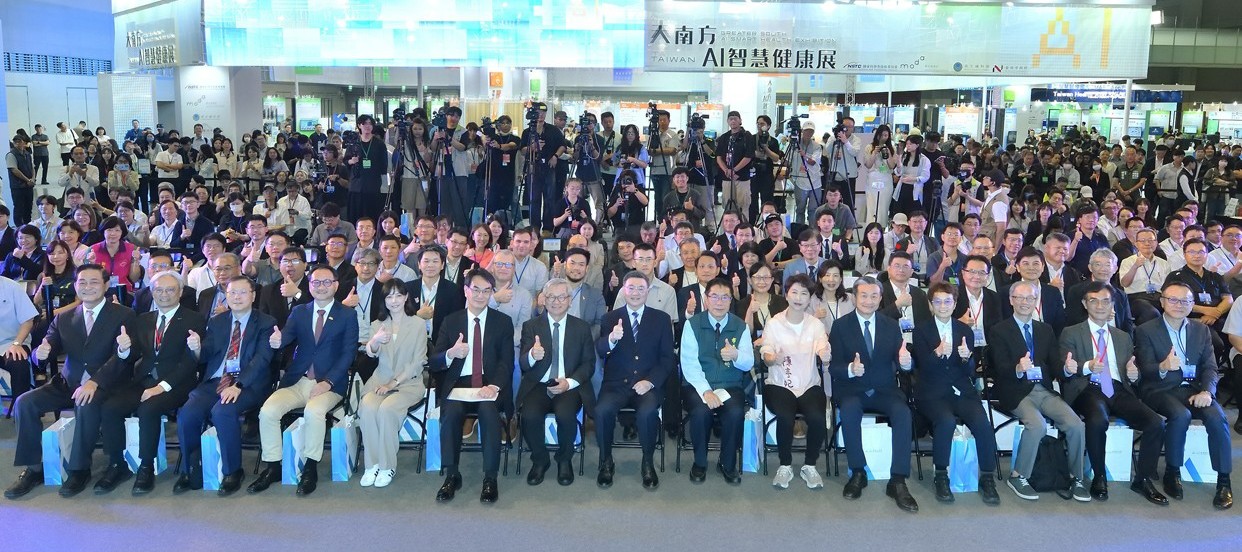
The Ministry of Digital Affairs (MODA), together with the National Science and Technology Council (NSTC), the Ministry of Health and Welfare (MOHW), and the Tainan City Government, today opened the Greater South AI Smart Health Exhibition at the ICC Tainan Exhibition Center. The exhibition aligns with President Lai Ching-te's vision of building a "Healthy Taiwan" and transforming Taiwan into an "AI Island," while advancing the national "Southern Taiwan Silicon Valley" initiative.
The two-day exhibition brings together more than 100 information service providers and five university departments, showcasing over 120 AI-powered healthcare products and services. Featuring five major themed interactive exhibition zones, the exhibition is expected to attract more than 10,000 visitors and facilitate at least 50 business matchmaking sessions through a series of Demo Day events, creating more than NT$100 million (approx. US$3.4 million) in potential business opportunities.
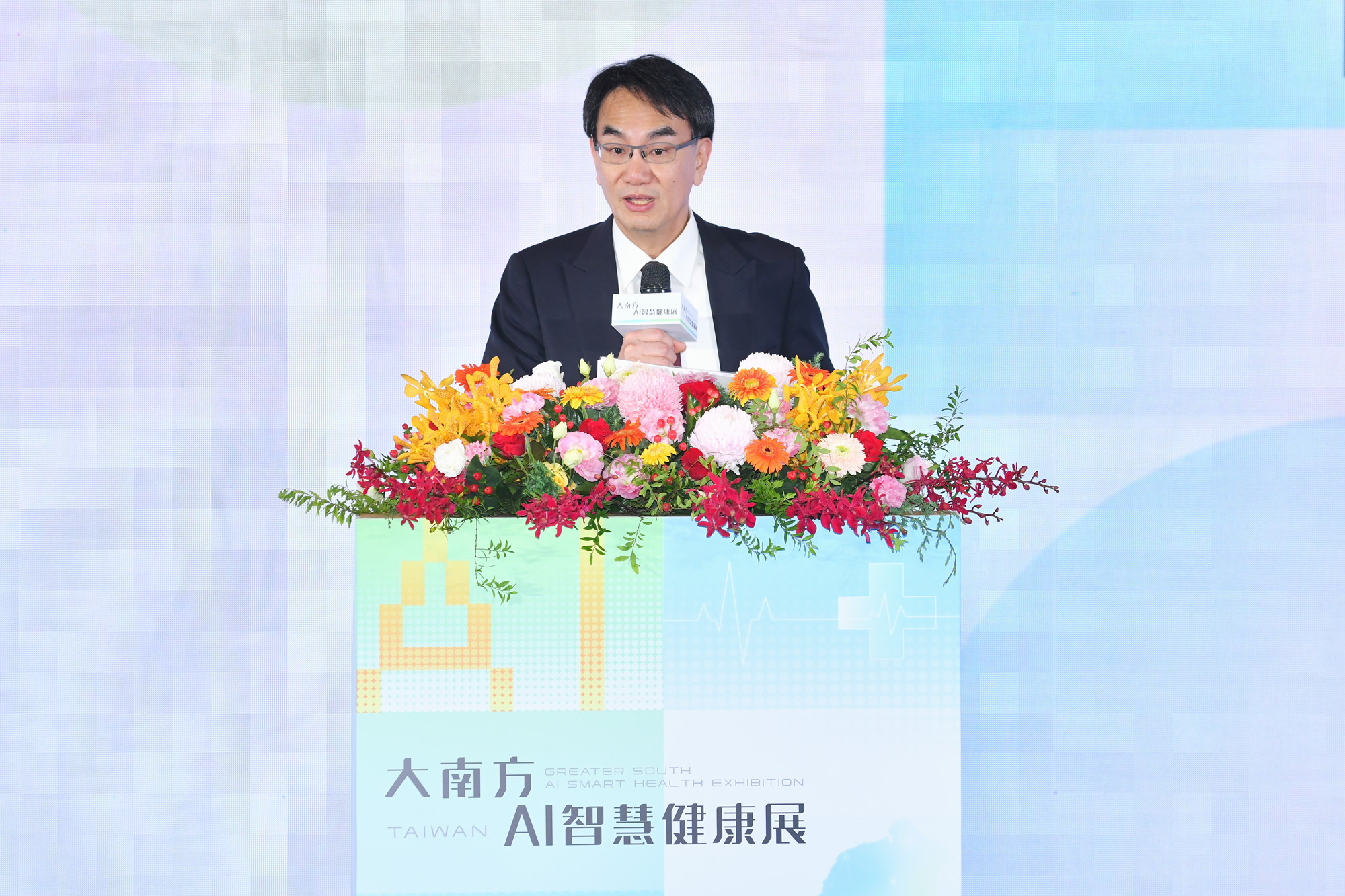
In his opening remarks, Minister of Digital Affairs Yi-Jing Lin said that Taiwan has officially entered a super-aged society, with healthcare and long-term care systems facing mounting challenges in maintaining service quality and addressing workforce shortages. "AI technology provides new possibilities and solutions to these challenges," Minister Lin said, emphasizing that the government's role is to establish the foundation and ecosystem needed to enable industry innovation and growth.
To support AI development, MODA has adopted five key policy pillars: Computing Power, Funding, Talent, Data, and Marketing. Through these initiatives, the ministry has helped nearly 200 ICT companies develop 266 AI models and services, with 80 solutions already commercialized. It has also secured NT$10 billion (approx. US$300 million) from Taiwan's National Development Fund to encourage approximately NT$500 million (approx. US$17 million) in private-sector investment in AI innovation.
In talent and data development, MODA has connected 25 private-sector AI training and talent-matching platforms and released the Taiwan Sovereign AI Training Corpus, containing more than 1.3 billion Chinese characters, to support the development of AI applications that better understand Taiwan's language, culture, and healthcare needs.
On the marketing front, MODA has organized 12 business matchmaking events involving more than 370 companies. This exhibition represents the ministry's largest effort to date in connecting AI solution providers with healthcare and long-term care organizations.
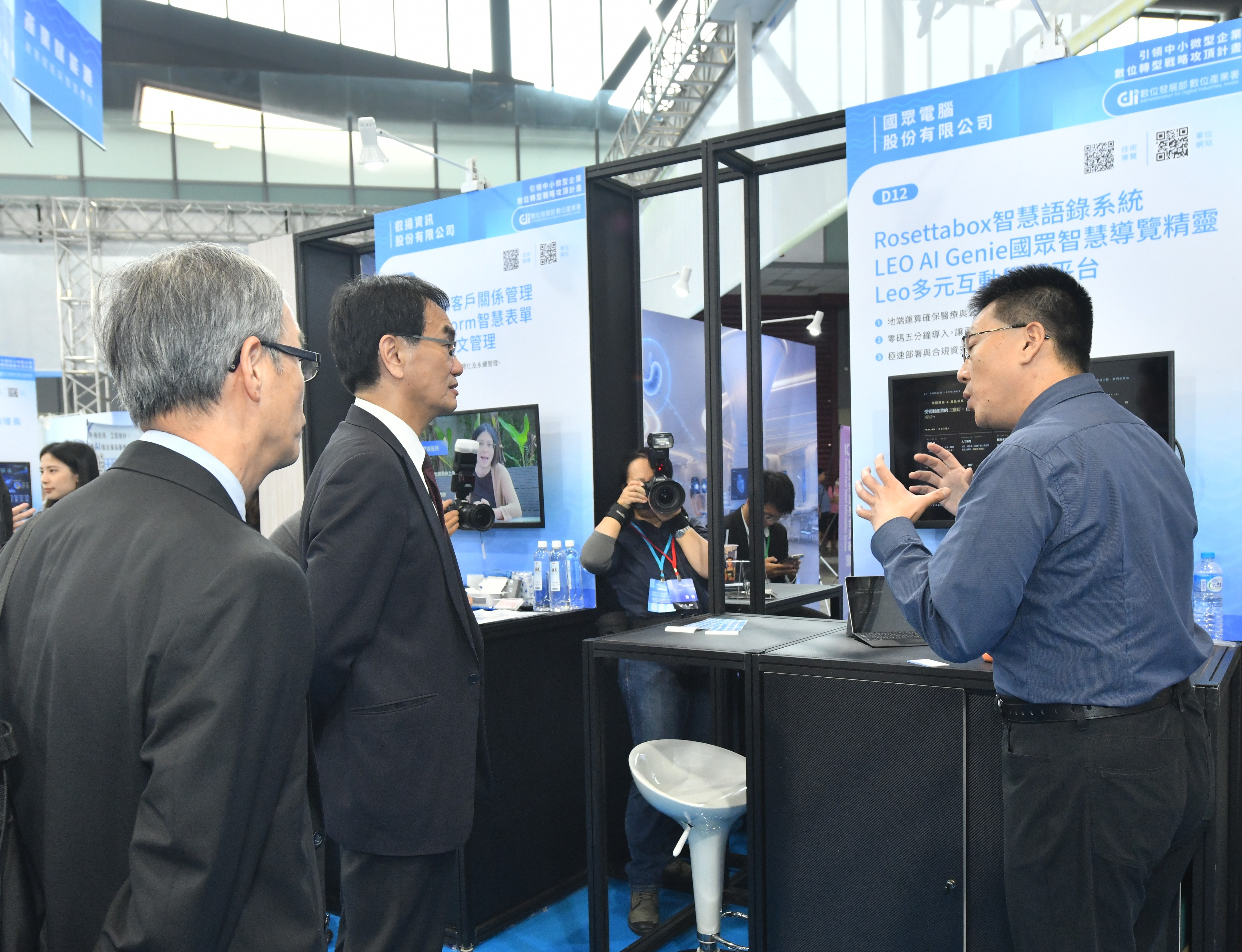
Centered on the core values of "Coexistence, Inclusion, and Mutual Prosperity," the Expo features five themed zones: Smart Living Homes, Tech-Enabled Community, Cloud Clinic, Industrial Empowerment Hub, and Healthy Marketplace. It also highlights solutions developed under MODA's Intelligent Rainforest Initiative and Taiwan Cloud Marketplace (TCloud) program, demonstrating how AI can support healthcare delivery, preventive care, and smart living.
Featured innovations include:
- DeCloak Intelligences leverages its patented AI-powered de-identification and image recognition technology to build an intelligent monitoring system that balances privacy and safety, enabling the real-time detection of falls and bed-exit events.
- aiFREE Technology integrates AI-based motion analysis to develop a Smart Precision Frailty Monitoring System, providing capabilities to predict fall risks.
- BarkingDog.AI will showcase its TeleAgent AI Phone Customer Service System, which utilizes generative AI voice technology to assist healthcare facilities in handling appointment scheduling and patient inquiries.
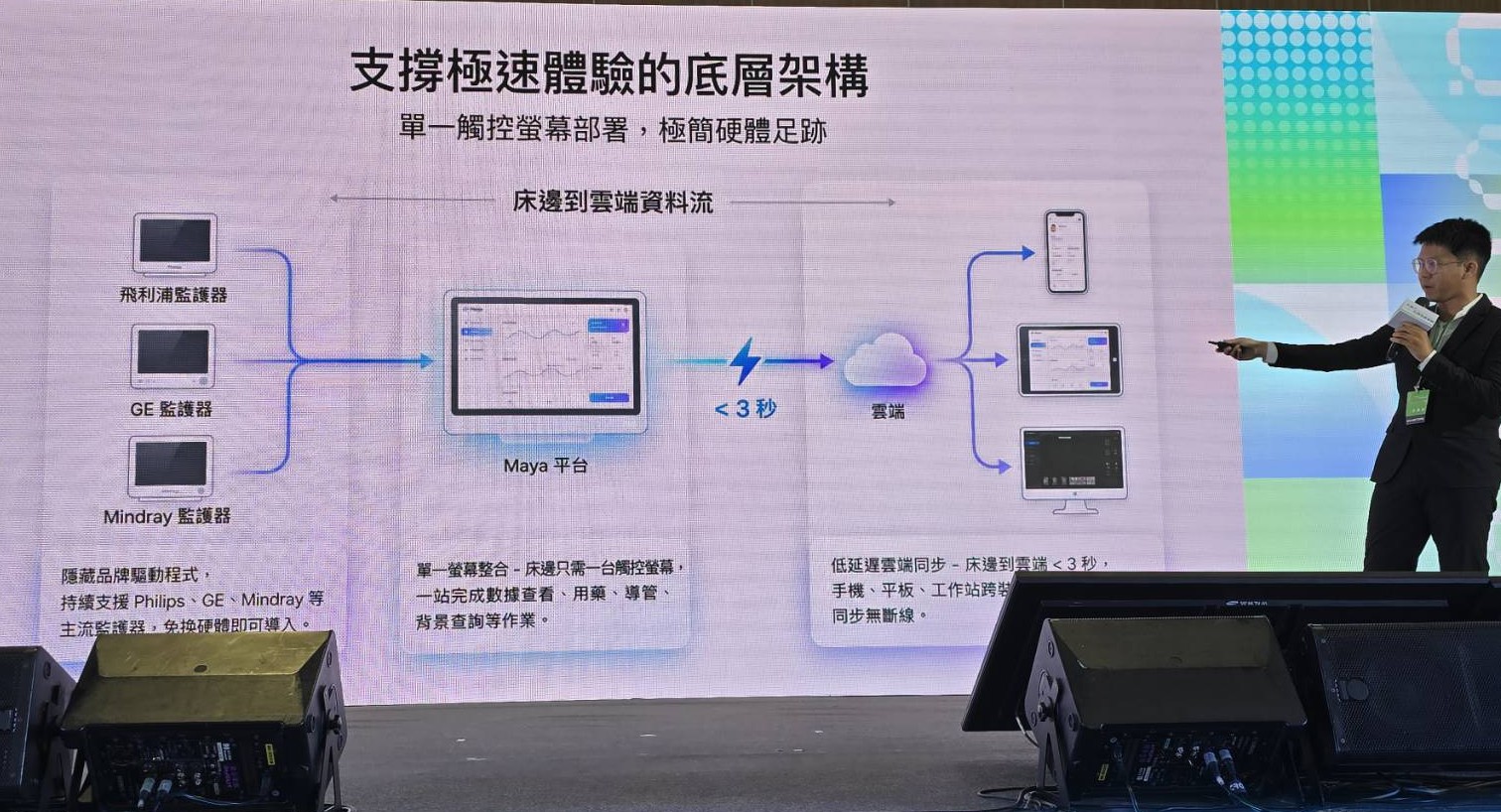
- Mayaminer presents its ICU Smart Care Integration System, designed specifically for healthcare providers. By enabling real-time patient monitoring and optimizing clinical handover workflows, the system helps ensure both the quality of medical care and the safety of patients.
The Administration for Digital Industries (ADI), Ministry of Digital Affairs, stated that the exhibition aims to strengthen collaboration among central and local governments, industry, academia, and healthcare institutions, helping AI solution providers introduce their technologies into healthcare and long-term care settings where they are most needed. The initiative also encourages companies to move beyond customized, one-off projects toward commercialization and scalable growth.
By integrating AI technologies into healthcare services, Taiwan aims to demonstrate that AI is not only a technological advancement but also a practical tool that can address real-world challenges, provide meaningful support, and improve quality of life. Through continued collaboration among stakeholders, the government seeks to advance its vision of building both a Healthy Taiwan and a Balanced Taiwan.