Make Your AI Understand Taiwan! MODA Releases Taiwan’s Sovereign AI Evaluation Results and Brings Government and Industry Together to Build a Trustworthy AI Ecosystem
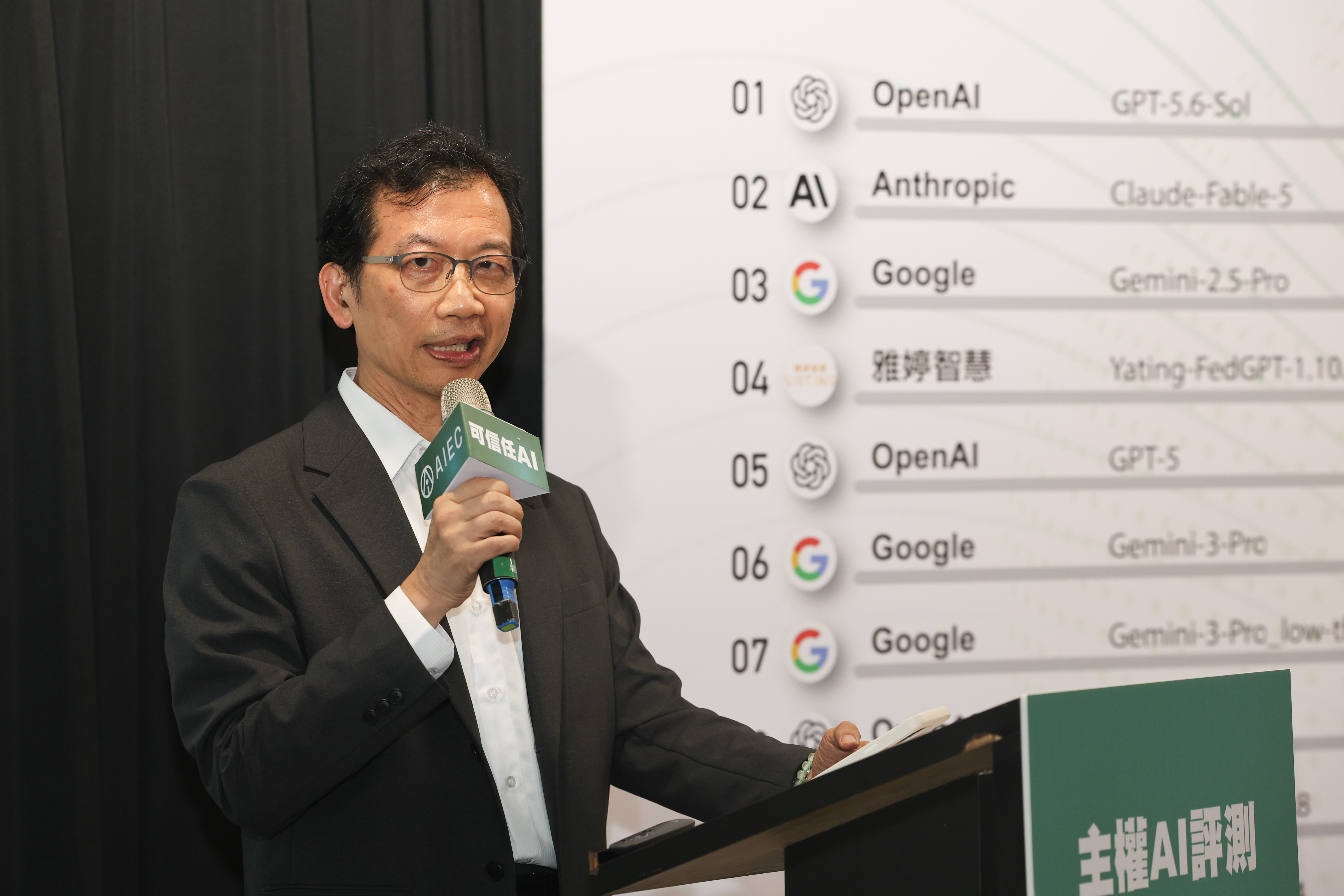
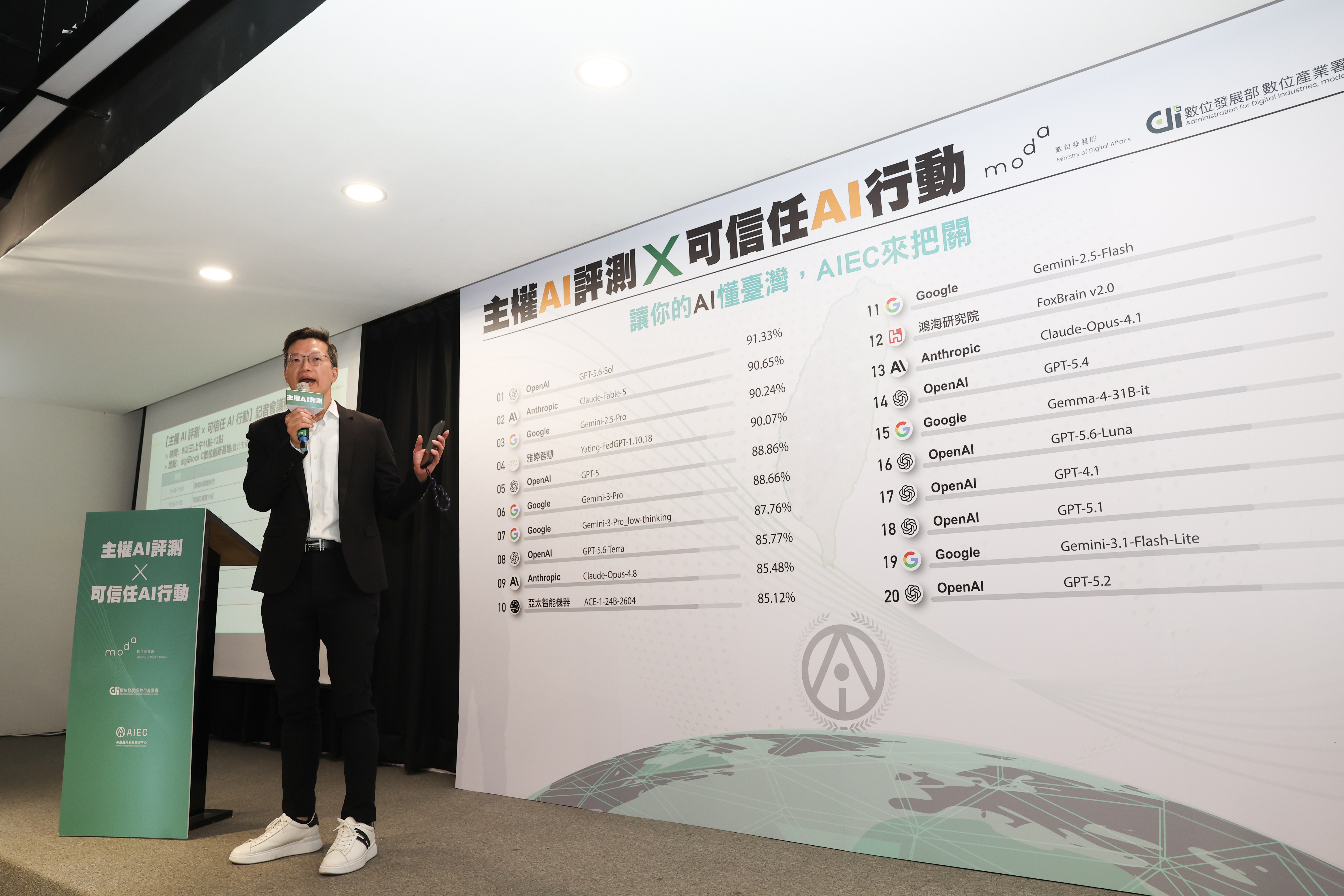
The ability to communicate in Traditional Chinese does not necessarily mean that an AI model truly understands Taiwan. The Ministry of Digital Affairs (MODA) held the “Sovereign AI Evaluation × Trustworthy AI Initiative” press conference on September 2. At the event, the AI Evaluation Center (AIEC) released the results of Taiwan’s sovereign AI evaluation, assessing whether AI models possess an understanding of Taiwan in three key areas: language, society and culture, and values. MODA is also working across ministries to promote large language models for vertical domains such as finance, law, education, and healthcare that are tailored to Taiwan’s local context.
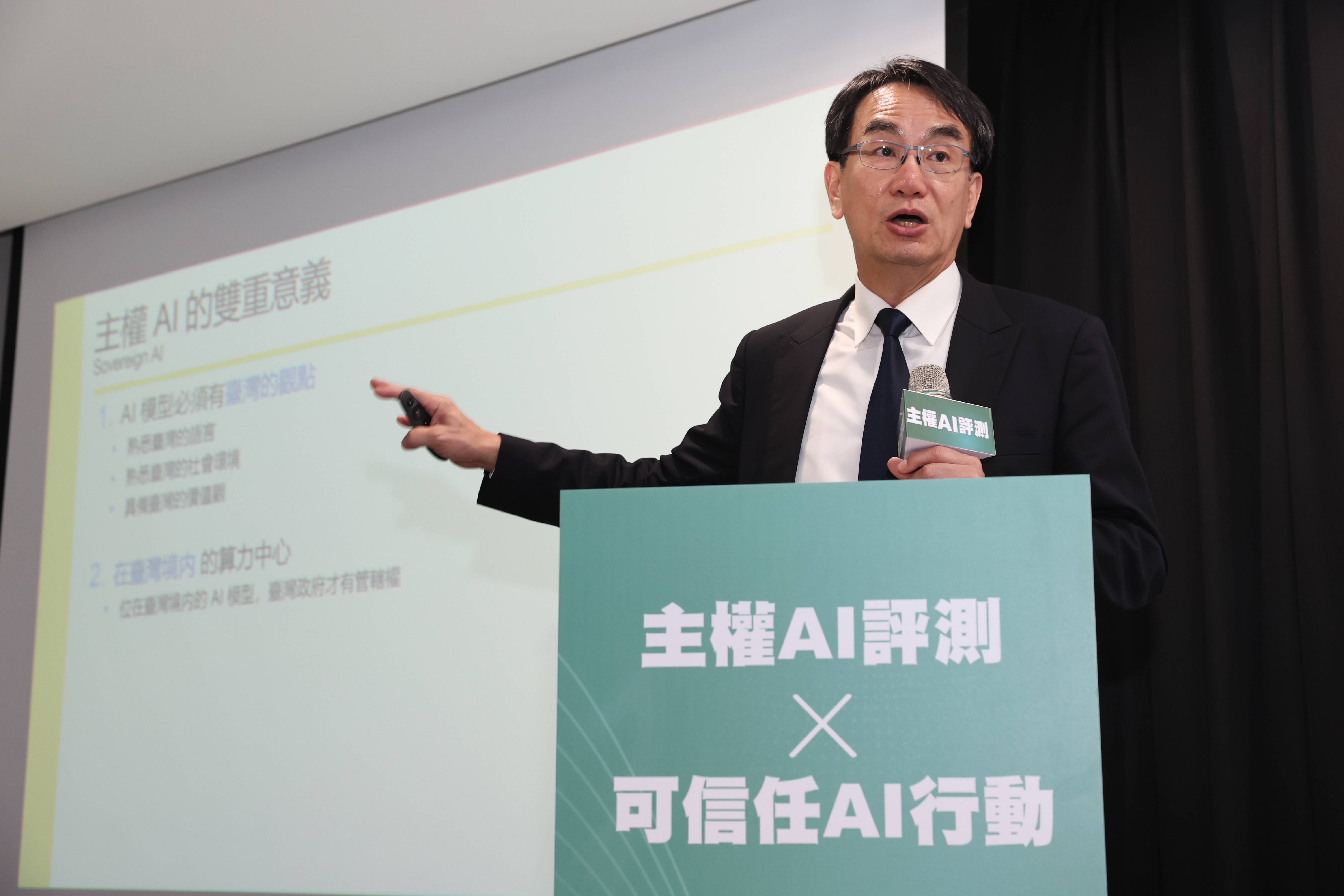
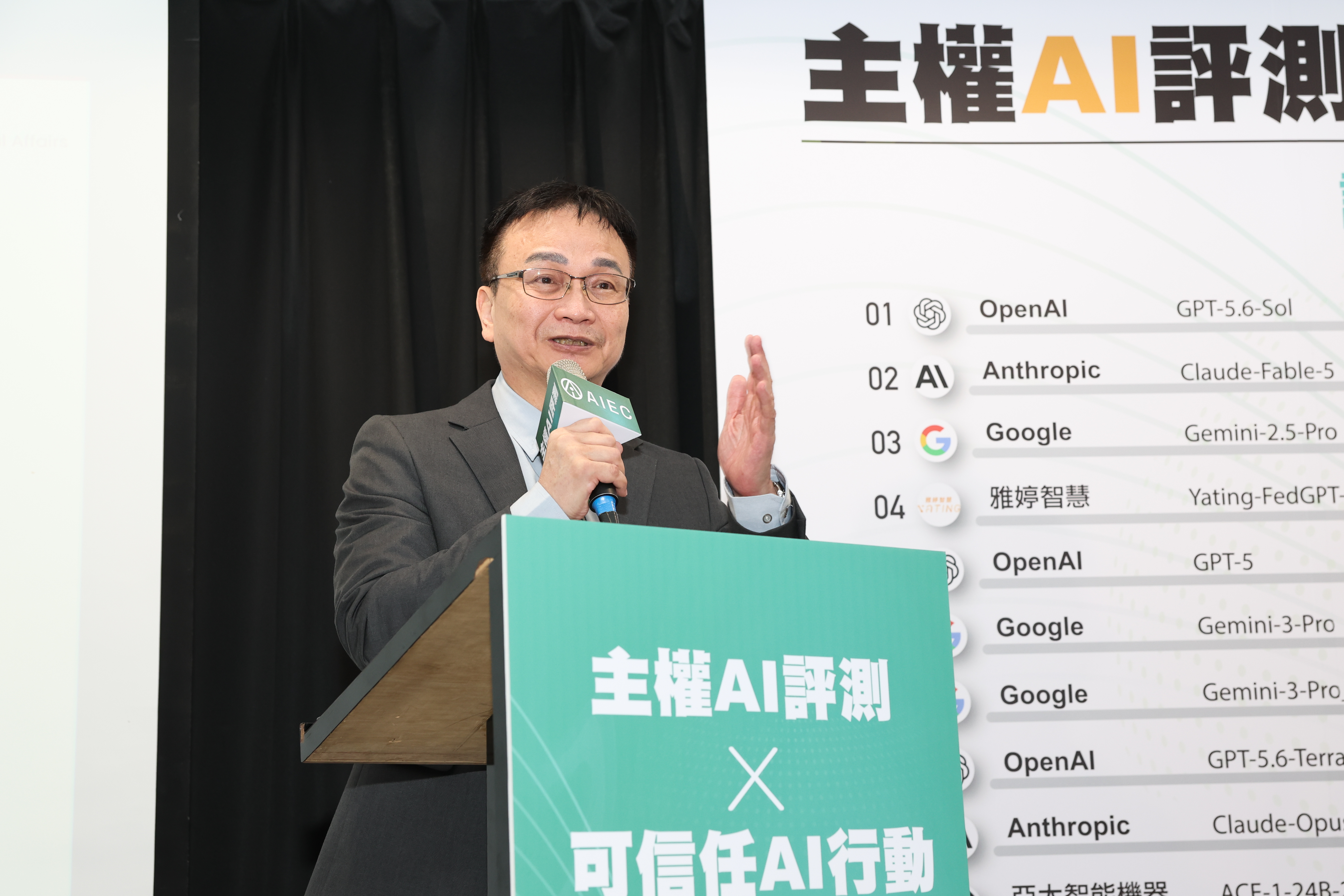
Minister of Digital Affairs Yi-Jing Lin stated that sovereign AI has two important implications. First, the country in which an AI large language model’s servers are located determines the laws with which those servers must comply. Second, a large language model trained in a particular country will generally reflect that country’s perspectives and ideology. For these reasons, most countries hope to develop their own sovereign AI capabilities.
Minister Lin further noted that large language models generally face three challenges in Taiwan: insufficient understanding of Traditional Chinese, limited knowledge of Taiwan, and a lack of Taiwan-specific perspectives. Even when models can respond in Traditional Chinese, their answers may still apply the political narratives, legal systems, or social contexts of other countries. Using Chinese and social studies questions from Taiwan’s General Scholastic Ability Test (GSAT) over the past five years, MODA applies scientific methods to evaluate models’ Taiwan-specific language capabilities and their understanding of Taiwanese society and culture. The evaluation also examines models’ understanding of “Taiwan values” through issues on which a certain degree of social consensus exists in Taiwan.
Taiwanese companies are also taking sovereign AI a step further by developing models for vertical domains such as law, finance, education, and healthcare. These models incorporate Taiwan-specific systems, laws and regulations, professional knowledge, and real-world scenarios, while also demonstrating a strong alignment with Taiwan’s values. One of MODA’s objectives in promoting sovereign AI is to help Taiwan’s domestic software companies transform their technologies into modular, market-ready products. These products can then be exported to help other countries develop sovereign AI models that reflect their own local characteristics.
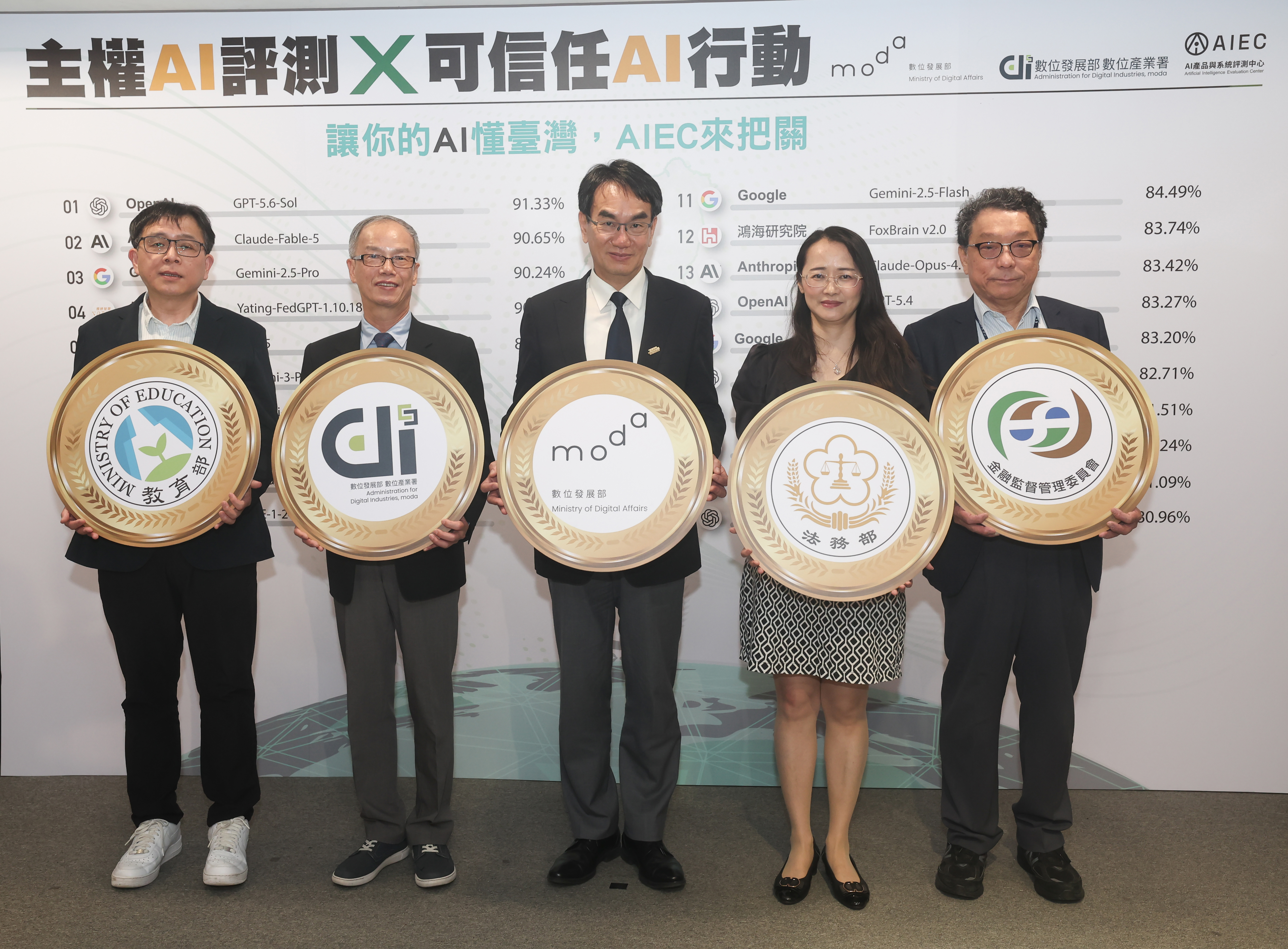
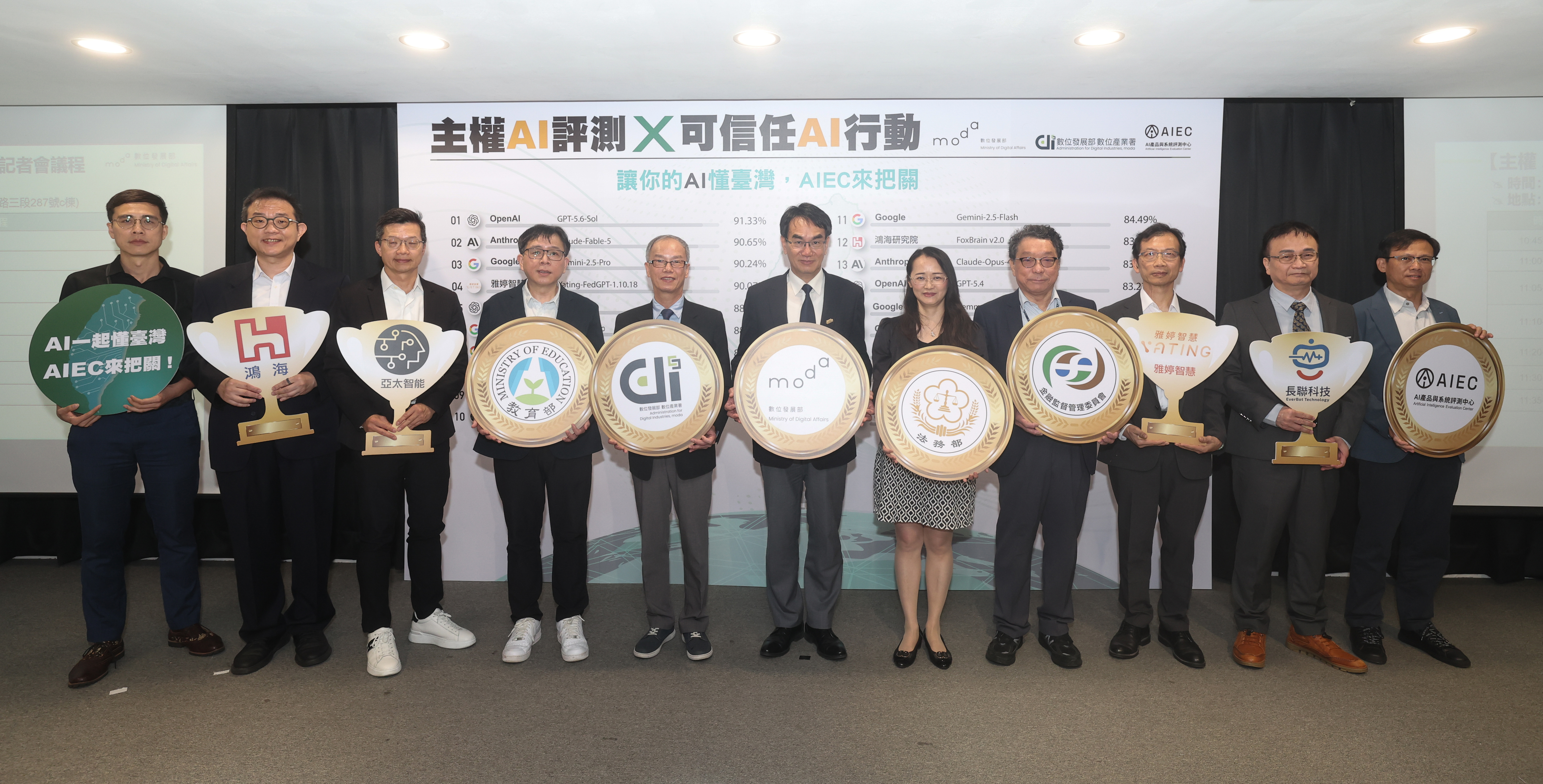
The press conference brought together Counselor Hui-Chen Ku of the Ministry of Justice; Director-General Chia-Hung Yeh of the Department of Information and Technology Education, Ministry of Education; and Director Hsi-Sheng Lin of the Financial Supervisory Commission. Their participation demonstrated the government’s collective commitment to building an environment conducive to the development of trustworthy AI in Taiwan. Jiunn-Shiow Lin, Director-General of the Administration for Digital Industries (ADI), stated that the government will continue to promote inter-ministerial cooperation. Each ministry will provide information on the systems, laws and regulations, and professional knowledge within its respective area of responsibility as an important basis for evaluation. This will ensure that sovereign AI evaluations more closely reflect the needs of government governance, industrial applications, and the public.
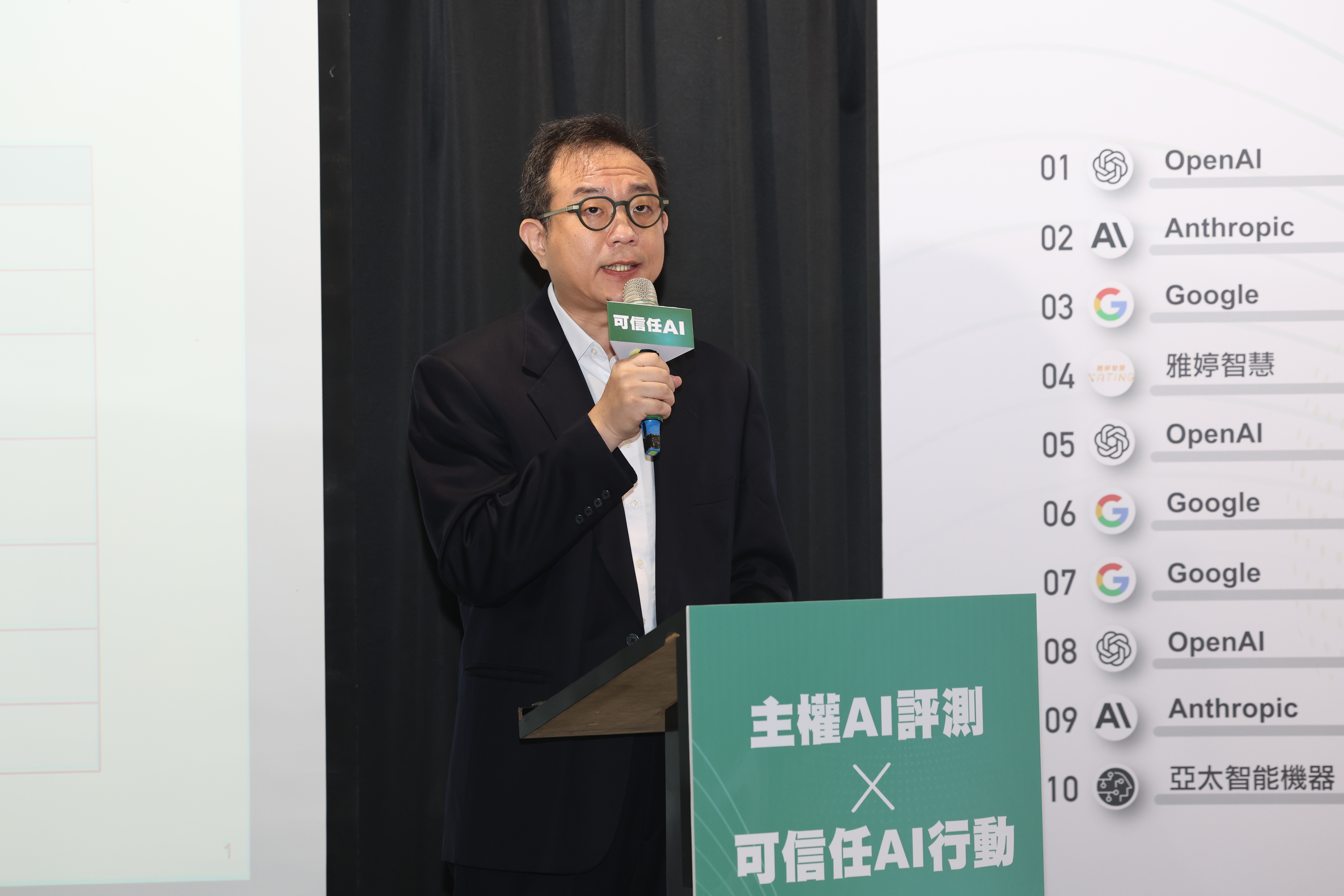
Industry representatives—including Chairman Chun Liao of Yating Intelligence; Chief Commercial Officer Chien-Ping Hsu of APMIC; Yung-Hui Li, Director of the Artificial Intelligence Research Center at the Hon Hai Research Institute; and Dr. Yu-Cheng Li, Chairman of Changlian Technology—shared their experiences participating in the evaluations and presented their application outcomes. The representatives agreed that Taiwanese companies do not necessarily need to compete with major international models across every general-purpose capability. Instead, they can combine local knowledge with industry experience to develop sovereign AI products that offer clear value in specific applications. Third-party evaluations enable companies to identify their products’ competitive strengths and areas for further improvement. They also allow users to select the most suitable models based on the needs of specific deployment scenarios.
ADI will continue expanding Taiwan’s ecosystem of AI evaluation partners while connecting the country’s capabilities in hardware, cybersecurity, data governance, and model training. By building trust through evaluation and using that trust to drive product development, Taiwan will bring its accumulated expertise in AI evaluation and integrated solutions to international markets—showcasing the strength of Taiwan’s AI capabilities to the world.