DevDays Asia 2026 brings together global AI innovation to usher in the agentic era
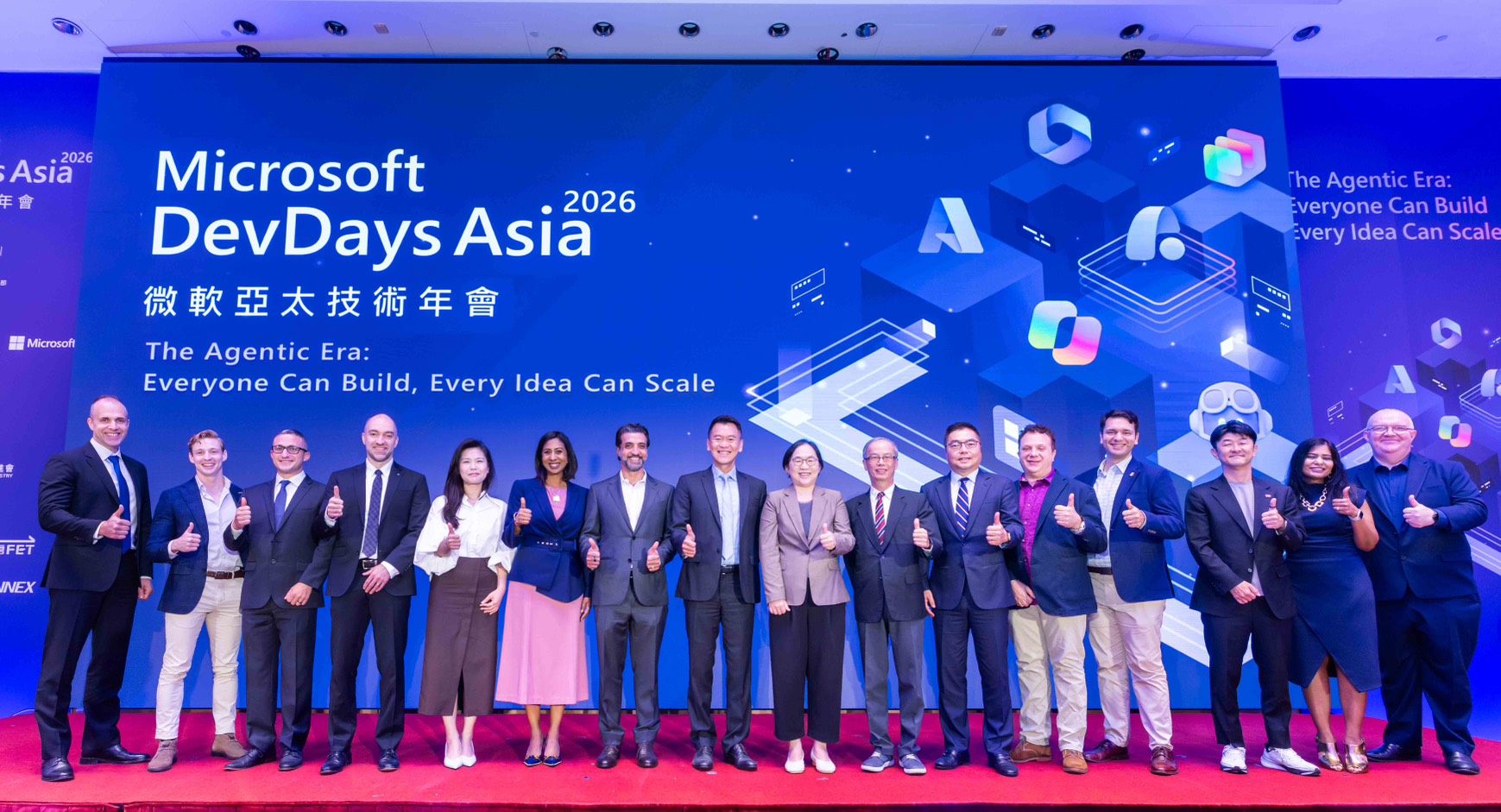
TAIPEI — DevDays Asia 2026, Asia's flagship annual AI conference, opened on September 21. Held under the guidance of the Ministry of Digital Affairs (MODA), the event is co-organized by the Administration for Digital Industries (ADI) and Microsoft Taiwan. Themed “Everyone Can Build, Every Idea Can Scale,” the conference brings together trend forums, keynote sessions, hands-on workshops and technology showcases to connect cutting-edge global technologies with Taiwan’s industry practices. It aims to help businesses and developers navigate the changes AI agents are bringing to workflows and organizations, and to open up new opportunities for AI applications in Taiwan.
AI reshapes collaboration as agents usher in a new era of development
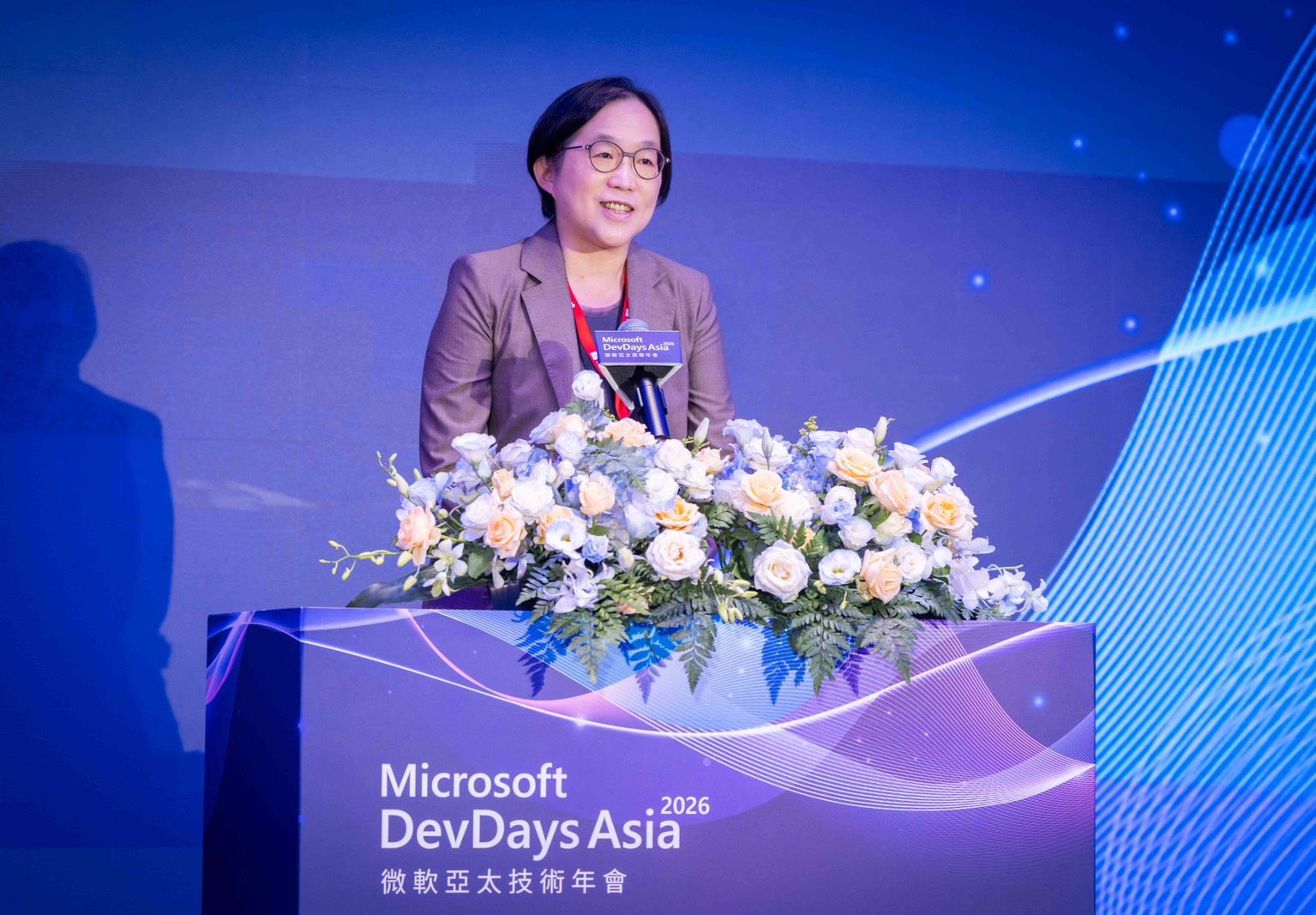
AI is driving global industrial change at an unprecedented pace, evolving from a supporting tool into an intelligent partner that can carry out tasks and make decisions. For businesses, this marks a pivotal moment to rethink how work gets done and how organizations are structured. Speaking at the opening ceremony, MODA Deputy Minister Isabel Hou said that sovereign AI encompasses far more than computing infrastructure or raw GPU counts. Crucially, it centers on continuously accumulating national expertise and industry know-how in the AI era, and turning technological capabilities into a lasting competitive advantage. As human-machine collaboration deepens, she said, Taiwan must not only cultivate engineering talents capable of working alongside AI, but also build sound governance and trust mechanisms in parallel. Microsoft has been an important partner in this process, she added, helping Taiwanese companies develop their own solutions.
In December 2025, Taiwan’s Legislative Yuan passed the AI Basic Act, and in July MODA released the AI Risk Taxonomy and Assessment Framework, steadily laying a governance foundation that balances innovation with safety and trustworthiness. Building on this foundation, MODA will continue to advance trustworthy governance of AI agents, setting operational rules that make agents identifiable, traceable and accountable, covering everything from the boundaries of an agent’s capabilities and the scope of its authorization to risk sharing and the broader institutional environment.
Advancing a trustworthy AI ecosystem through public-private partnership
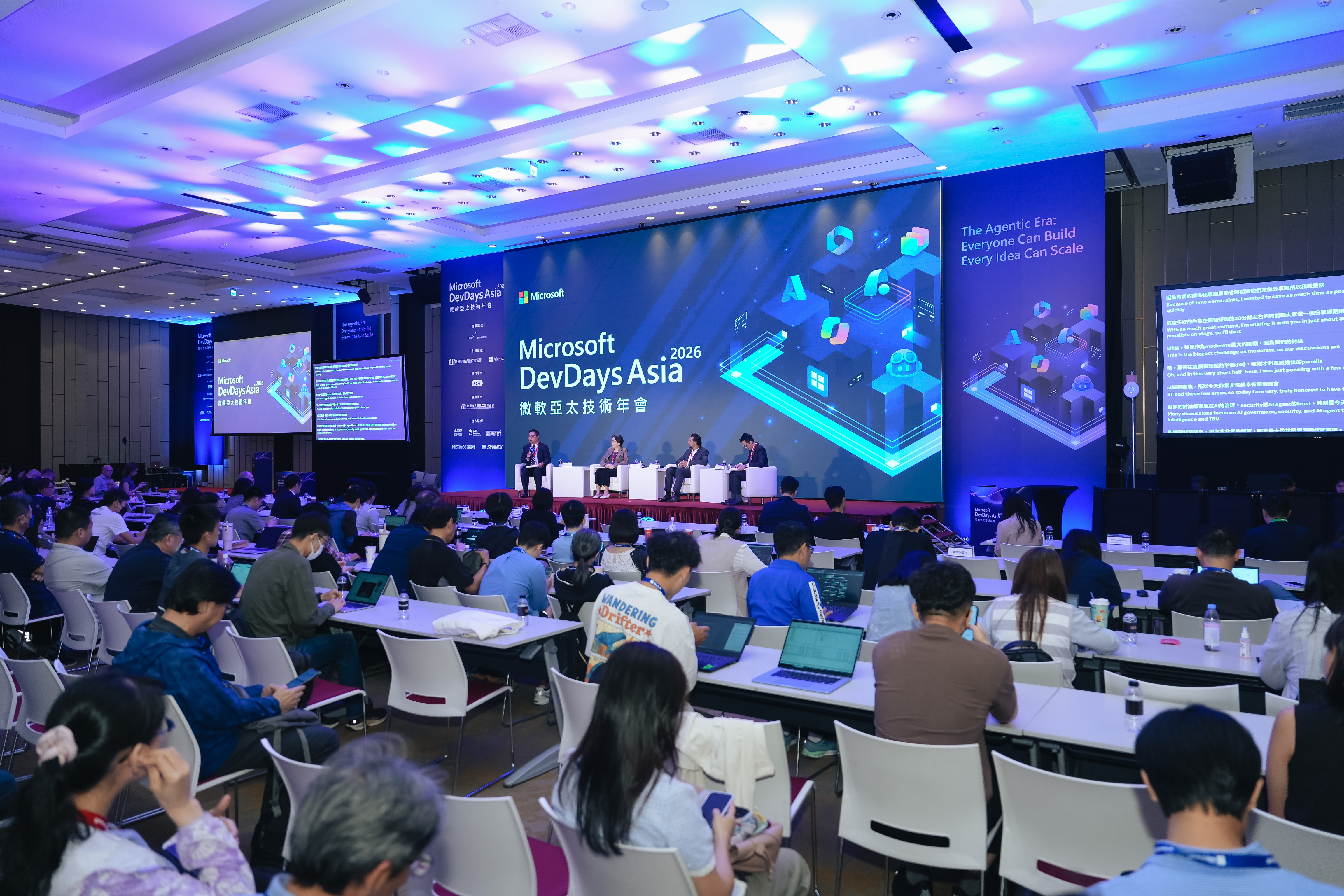
At the Executive Panel Discussion that followed, themed “Responsible AI Governance” MODA Deputy Minister Isabel Hou said the government’s role is to provide guidance and rules so that all parties can build understanding and work together. She added that MODA will continue to work through public-private partnerships to strengthen data governance, privacy protection and a trustworthy AI ecosystem, so that Taiwan can accelerate innovation while upholding safety, accountability and public trust.
Hou also said that while “models are interchangeable, data must remain under our control,” the core of national competitiveness lies in trust, which underpins how business models operate. Building trust, she explained, requires three elements: clear policies and frameworks, technology and system design that are aligned with those policies, and people on the ground who embrace the value of trust. In her view, the government’s job is to offer guidance and set the rules, enabling everyone to gain understanding and collaborate as the technology evolves. The AI Basic Act provides a framework of principles, while MODA’s AI Risk Taxonomy and Assessment Framework serves as a platform for collaboration among government, industry, academia, research institutions and enterprises. Together, they will help refine the governance of AI agents over time, so that agents can become trusted partners that coexist with human society.
Hou said Taiwan is already recognized as a “trusted partner” in global supply chains, an asset that is especially valuable in the AI era. The government aims to create a governance framework that builds on this foundation of trust, working with industry associations, businesses and technology companies to bring hardware and software together, so that Taiwan can move beyond hardware manufacturing to become a trusted provider of integrated hardware-software solutions.
First Government Track addresses public-sector needs
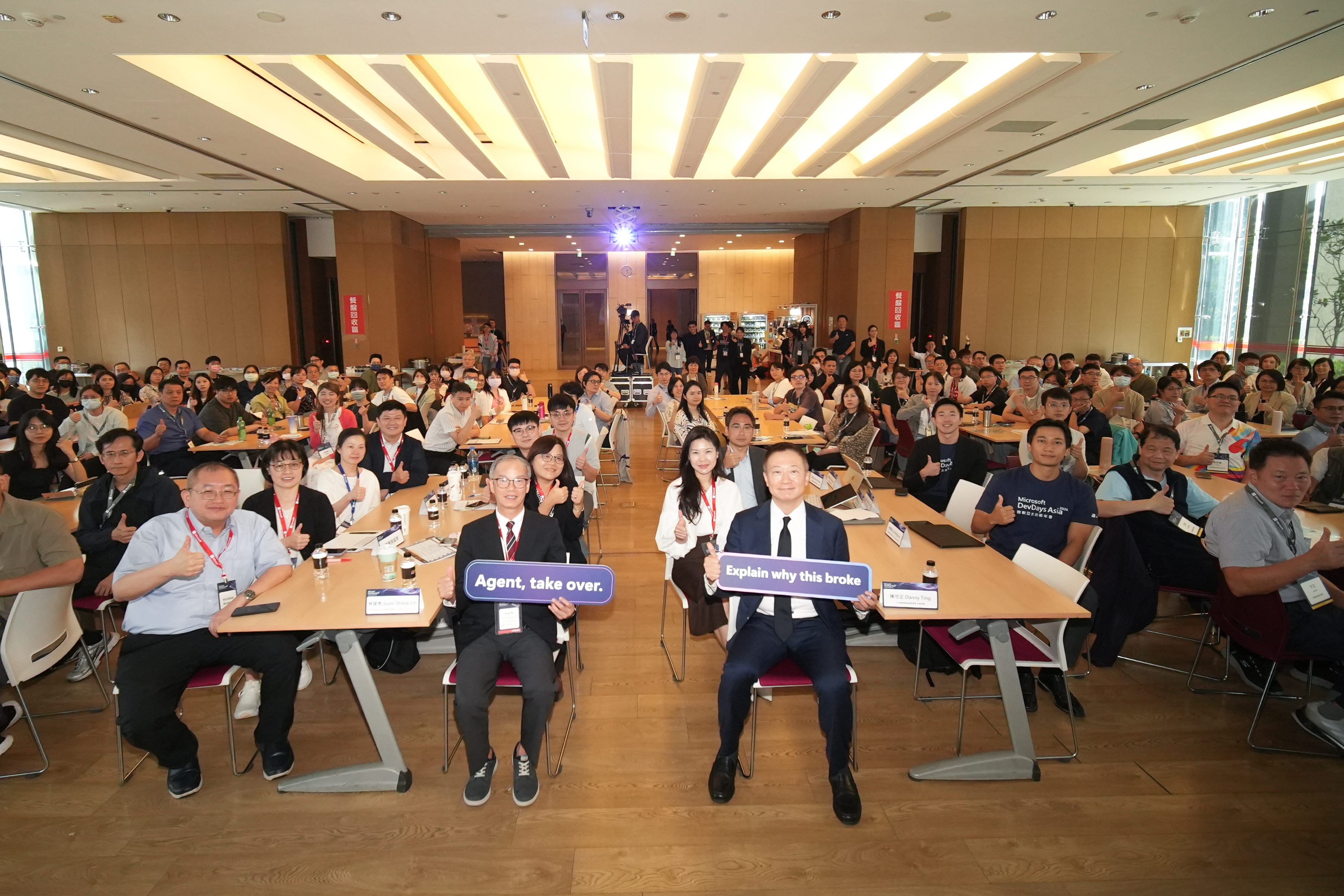
For the first time, the conference featured a dedicated Government Track on the afternoon of its opening day, focusing on the practical needs of public agencies in adopting AI. Through policy briefings and case studies, the track helped civil servants keep pace with AI application trends and learn how to deploy AI solutions effectively. More than 100 public servants attended.
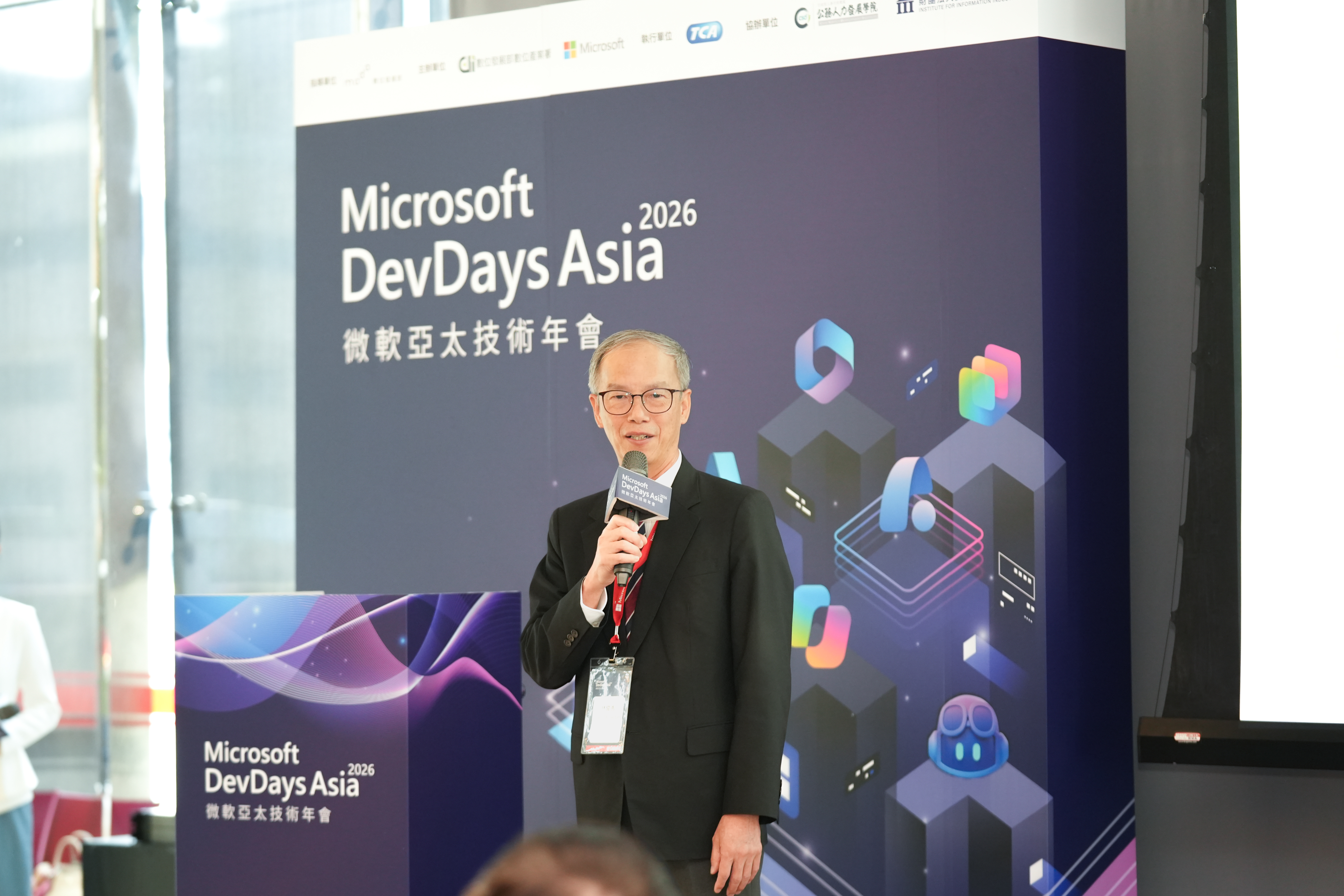
In his remarks, ADI Director-General Jiunn-Shiow Lin said that none of the earlier waves of emerging technology, such as AR, VR, blockchain, big data and digital twins, had developed as rapidly as AI, nor had they drawn such close attention from both the private and public sectors. In advancing AI, he said, MODA’s main focus is sovereign AI, spanning computing power, data, cybersecurity and governance. Given AI’s enormous influence, these are also issues that governments around the world take very seriously, ranging from training models on their own data and turning analysis into real-world use to setting cybersecurity rules. He expressed hopes that AI will be widely adopted and seamlessly integrated across industries in Taiwan.
Cross-sector exchange showcases a diverse AI ecosystem
Building on the highlights of previous years, DevDays Asia 2026 explores the core topics of the agentic AI era, including Copilot, cloud computing, multi-agent collaboration and security governance. With more than 60 sessions and over 10 solution demonstrations, the program extends to a wide range of scenarios in finance, health care, manufacturing, retail and the public sector, deepening exchanges between global technologies and Taiwan’s industrial capabilities.
In addition, the popular She Builds Night and Azure SQL Community Night return this year, bringing together international technical experts, women in tech and developers to foster cross-disciplinary exchange and experience sharing, spark fresh ideas and strengthen the innovative energy of Taiwan’s developer community.
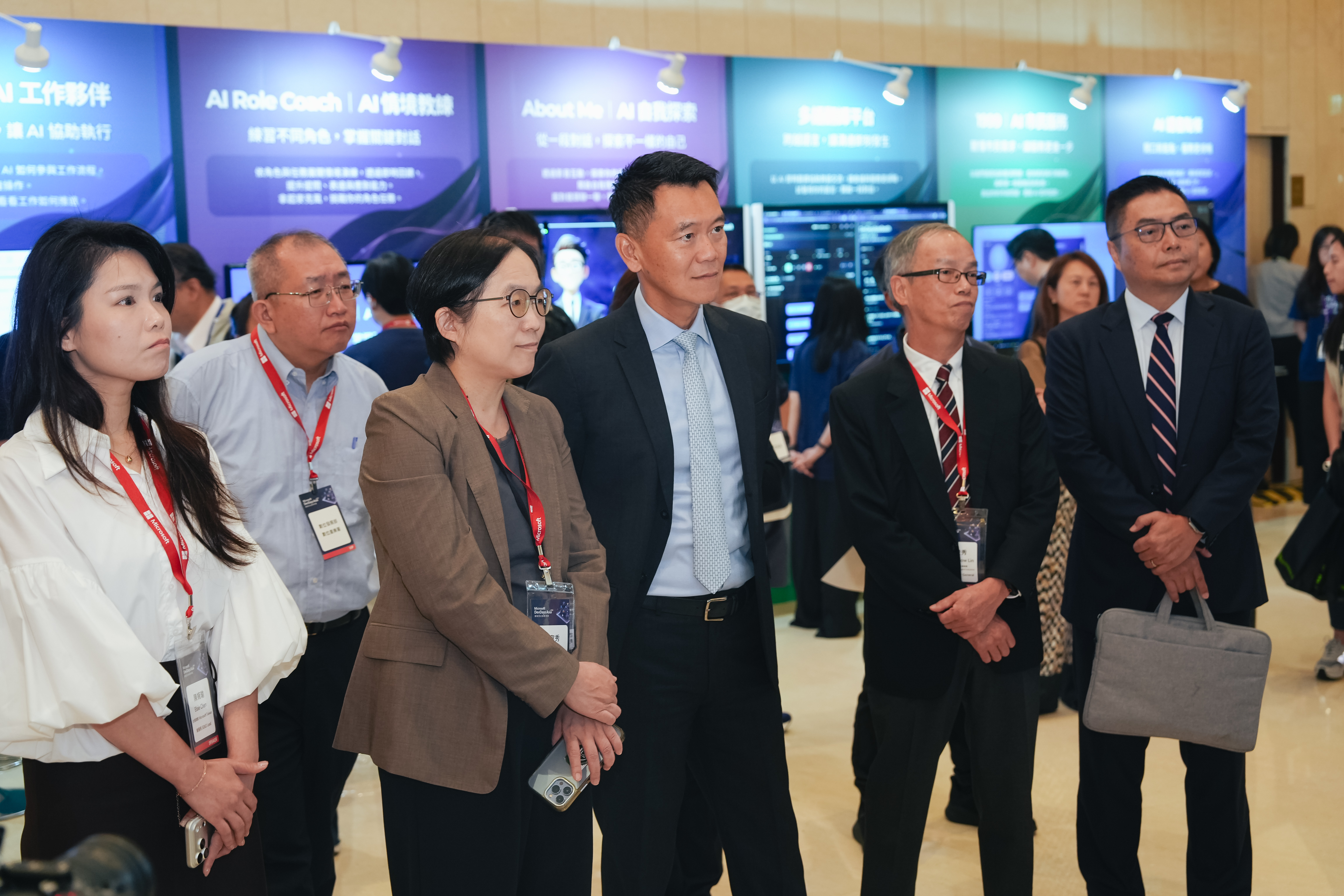
The venue also features exhibition booths from Microsoft and its ecosystem partners, including Synnex Technology International, ART Solutions, Far EasTone Telecommunications, Metaage and Acer E-Enabling Service Business, showcasing innovative applications spanning AI platforms, Copilot, agent development, software engineering and security governance.
The Ministry of Digital Affairs will continue to serve as a catalyst and bridge for industrial innovation, deepening cooperation with leading international companies and local industries. By working with international partners such as Microsoft Taiwan, MODA will strengthen Taiwan’s developer capacity and cultivate internationally competitive AI talent.